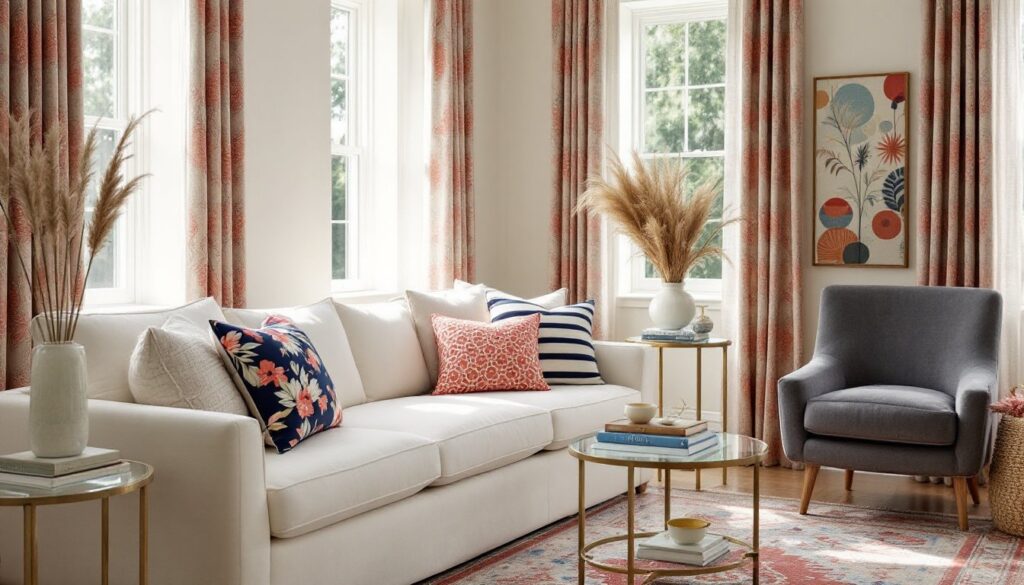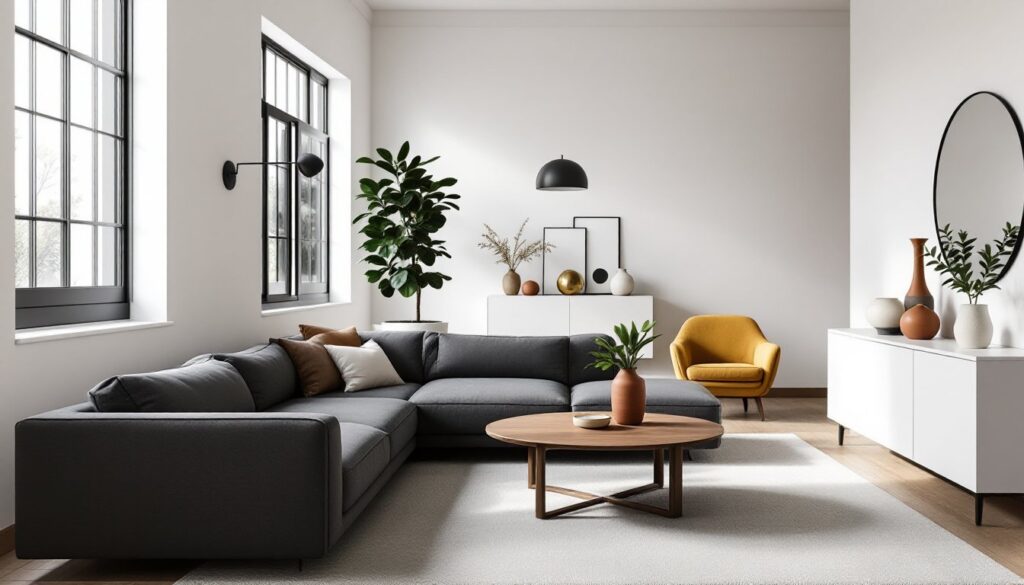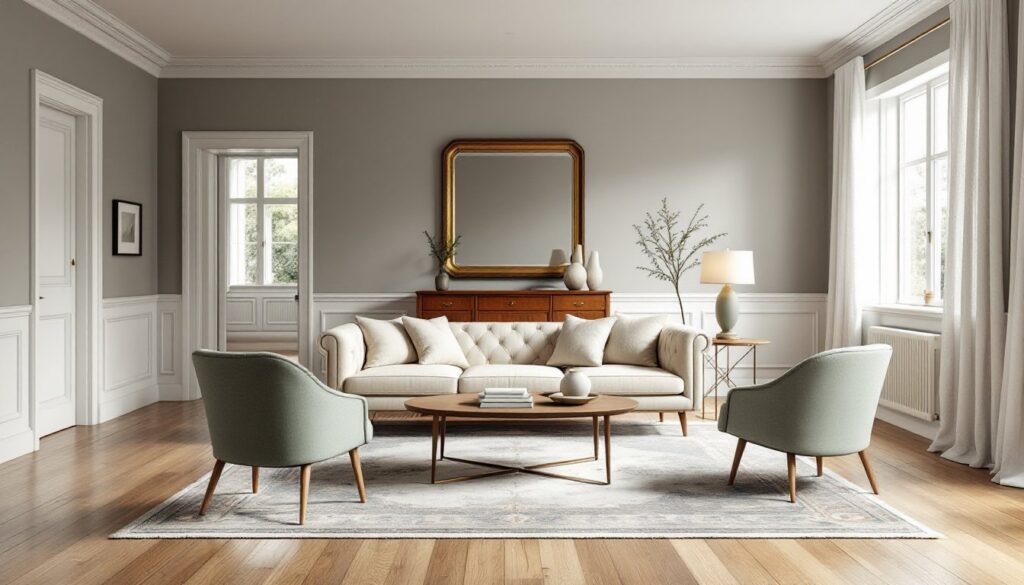
New traditional interior design is rewriting the rules of classic decorating. It takes the refined elegance of traditional spaces, think crown molding, antique rugs, and rich wood tones, and strips away the fussiness. What’s left is a style that honors history without feeling stuck in it. Instead of matchy-matchy furniture sets and heavy drapery, new traditional layers in contemporary touches: cleaner lines, lighter palettes, and a mix of old and new pieces. It’s designed for people who want a sophisticated home that still feels livable, not a museum. This approach works especially well for homeowners tackling whole-room renovations or trying to refresh inherited furniture without starting from scratch.
Table of Contents
ToggleKey Takeaways
- New traditional interior design blends classic architectural details and furniture forms with contemporary simplicity, creating sophisticated spaces that are meant to be lived in rather than preserved.
- Focus on quality materials and construction—dovetail joinery, solid wood frames, and performance fabrics—combined with neutral color palettes, streamlined furniture silhouettes, and edited accessories to achieve the new traditional aesthetic.
- New traditional design works especially well for older homes where you want to honor original details like crown molding and hardwood floors, or newer construction seeking permanence and character without formality.
- Layer lighting with classic fixtures in aged brass or matte black finishes, and embrace mixed-era furniture arrangements where mid-century and traditional pieces coexist through shared scale and finish tones.
- Unlike purely transitional design, new traditional leans toward classic foundations while incorporating contemporary function—making it more livable than traditional interiors but more intentional and detailed than generic transitional spaces.
What Is New Traditional Interior Design?
New traditional design bridges the gap between formal traditional interiors and the relaxed, open-concept homes most people live in today. Traditional design relies on symmetry, ornate details, rich fabrics like silk and velvet, and furniture styles rooted in 18th and 19th-century European craftsmanship, think Chippendale chairs, claw-foot tables, and heavy wood armoires.
New traditional keeps the bones of that approach but lightens the load. Rooms still feature balanced layouts and quality materials, but the color schemes skew neutral or softer. Furniture silhouettes are simplified, a wingback chair might lose its tufting, or a dining table might swap turned legs for tapered ones. Accessories are edited down: instead of layering every surface with tchotchkes, the style favors a few statement pieces.
The shift also shows up in materials. Where traditional interiors lean heavily on dark woods like mahogany and cherry, new traditional mixes in painted finishes, lighter oak, or even metal accents. Upholstery trades heavy brocades for linen, cotton, and performance fabrics that hold up to real use. It’s a style that respects craftsmanship but doesn’t demand white-glove maintenance.
This approach appeals to homeowners renovating older homes who want to honor original architectural details, crown molding, wainscoting, hardwood floors, without recreating a period room. It also works in newer construction where buyers want a sense of permanence and quality without the stuffiness.
Key Elements of New Traditional Style
Classic Furniture with Contemporary Lines
The furniture in a new traditional space borrows from classic forms but with simplified profiles. A Chesterfield sofa might appear in linen instead of leather, with shallower tufting. Dining chairs could reference ladder-back or Windsor styles but rendered in lighter wood with thinner spindles.
Look for pieces with tapered legs instead of heavy cabriole curves, and avoid overly carved details. Case goods, dressers, sideboards, media consoles, should have clean drawer fronts, perhaps with inset panels or simple trim, but skip the ornate hardware. Brass or bronze pulls work better than elaborate cast-metal handles.
Mixing eras is part of the appeal. A mid-century credenza can sit comfortably next to a traditional upholstered armchair if they share a similar scale and finish tone. The key is proportion: traditional furniture tends to be substantial, so contemporary additions should have enough visual weight not to look flimsy. Avoid overly modern pieces with chrome frames or acrylic, they clash with the warmth new traditional requires.
When shopping, check construction. Dovetail joinery, solid wood frames, and eight-way hand-tied springs still matter. New traditional isn’t about disposable furniture: it’s about pieces that age well and can be reupholstered or refinished down the line.
Updated Color Palettes and Patterns
Traditional design often leans on jewel tones, burgundy, forest green, navy, paired with rich wood stains. New traditional softens that approach. Base palettes trend toward warm whites, soft grays, greiges, and muted earth tones. Accent colors might include dusty blues, sage greens, or warm terracotta, but applied with restraint.
Patterns still play a role, just not in the same volume. Instead of matching floral wallpaper, upholstery, and window treatments, new traditional might feature a single patterned element, a textured rug, a set of printed pillows, or subtly patterned drapery. Toile, damask, and paisley patterns can work if they’re scaled appropriately and used sparingly. Stripes, plaids, and geometric prints offer a cleaner alternative.
Paint choices matter. Crown molding and trim often get painted the same color as walls rather than high-contrast white, which creates a more cohesive, less formal look. Cabinet paint in kitchens and baths might lean toward soft blues, grays, or even black instead of stained wood, especially in homes where cabinetry runs traditional in style but needs a refresh.
Wallpaper has made a comeback in new traditional spaces, especially in powder rooms, dining rooms, or accent walls. Opt for patterns with a modern scale, larger florals, abstract interpretations of classic motifs, or grasscloth textures. Avoid overly busy prints that date quickly.
How to Incorporate New Traditional Design in Your Home
Start with architecture. If the home has existing traditional details, baseboards, chair rails, coffered ceilings, highlight them with fresh paint and proper prep. Sand and prime any previously painted trim to ensure a smooth finish: two coats of satin or semi-gloss enamel will hold up better than flat paint. If the home lacks architectural character, consider adding it selectively. Installing crown molding (typically 3.5″ to 5.25″ profiles depending on ceiling height) or picture rail molding can add formality without overwhelming a room.
For flooring, hardwood in medium to light tones works well. If existing floors are dark, refinishing in a lighter stain or using a whitewash technique can shift the tone. Wide-plank flooring (5″ to 7″ widths) offers a less formal look than narrow strips. In kitchens and baths, consider classic materials like subway tile, marble, or hexagonal mosaics, but keep grout lines and layouts simple.
Lighting plays a major role. Swap outdated chandeliers for updated versions, classic silhouettes in aged brass, oil-rubbed bronze, or matte black finishes. Sconces flanking mirrors or artwork add symmetry, a hallmark of traditional design. Recessed lighting can supplement but shouldn’t be the only source: layered lighting (ambient, task, accent) creates depth.
Furniture arrangement should follow traditional principles: create conversation areas with seating facing each other, anchor rooms with area rugs (8′ x 10′ or 9′ x 12′ are standard for living rooms), and maintain clear traffic paths. Unlike traditional rooms that can feel crowded, new traditional spaces breathe. Don’t fill every corner.
Accessorizing requires editing. Choose a few larger-scale pieces, an oversized mirror, a substantial piece of art, a sculptural lamp, rather than scattering small items. Books, pottery, and natural elements like branches or stone add warmth without clutter. Interior design trends often emphasize curation over collection, and new traditional follows that lead.
Window treatments should be functional and refined. Tailored roman shades, simple drapery panels on decorative rods, or wooden blinds suit the style better than heavy swags or valances. If privacy isn’t a concern, leaving windows undressed highlights architectural trim and brings in more light.
Kitchens and baths benefit from classic materials and layouts with contemporary function. Shaker-style cabinetry, marble or quartz countertops, and farmhouse or undermount sinks fit the aesthetic. Hardware should be simple, cup pulls, bin pulls, or slim bar pulls in brushed nickel, aged brass, or matte black. Avoid overly ornate backplates or crystal knobs unless the space leans heavily traditional.
In bathrooms, consider wainscoting or board-and-batten on lower walls, pedestal or console sinks, and classic tile patterns. A freestanding tub with a traditional silhouette but modern fixtures strikes the right balance. Always ensure proper ventilation (exhaust fans rated for the room’s square footage) and moisture-resistant materials: even the best design fails if materials aren’t suited to the environment.
New Traditional vs. Traditional vs. Transitional Design
Understanding where new traditional sits in the design spectrum helps clarify the style. Traditional design is formal, ornate, and rooted in European decorative arts. Rooms are symmetrical, furniture is heavily detailed, and fabrics are rich. Color palettes are deep, and the overall effect is elegant but formal, think English manor house or French chateau.
Transitional design blends traditional and contemporary in roughly equal measure. It’s balanced and neutral, favoring clean lines, minimal ornamentation, and a restrained color palette. Transitional spaces often feel serene and hotel-like, with less personality and more universal appeal. It’s a safe middle ground but can read as bland if not carefully executed.
New traditional leans more heavily toward traditional aesthetics but modernizes the approach. It’s less neutral than transitional and more layered, with a stronger nod to classic furniture forms, architectural details, and pattern. Unlike traditional design, it’s not precious, new traditional rooms are meant to be lived in, not preserved. The style allows for more organic materials and a relaxed approach to symmetry.
Another way to frame it: traditional design prioritizes formality, transitional prioritizes balance, and new traditional prioritizes livability with a classic foundation. Homeowners drawn to design inspiration that feels timeless but not stiff will find new traditional hits the mark.
When planning a renovation or refresh, consider which approach suits the architecture and how the household actually functions. A formal dining room used twice a year might lean traditional: a family room with kids and pets needs the durability new traditional offers. Interior design concepts increasingly recognize that style should serve life, not the other way around.
Conclusion
New traditional design offers a practical path for homeowners who want spaces that feel polished and permanent without the fussiness of period-correct interiors. It’s about making thoughtful choices, quality materials, classic proportions, and a restrained hand with pattern and color, while keeping real life in mind. Whether renovating an older home or adding character to new construction, the style rewards attention to detail and a willingness to mix eras with intention.