Hygge (pronounced “hoo-gah”) isn’t just a buzzword, it’s a Danish design philosophy centered on cultivating warmth, comfort, and contentment in everyday spaces. Unlike trends that come and go, hygge interior design focuses on creating environments that genuinely feel good, especially during those long winter months when natural light is scarce. This approach prioritizes simplicity, natural materials, and intentional coziness over flashy statements or maximalist decor. For DIYers and homeowners looking to transform their living spaces without major renovations, hygge offers accessible, budget-friendly strategies that rely more on thoughtful layering and atmosphere than expensive furniture. The result is a home that feels like a refuge, a place where comfort isn’t an afterthought but the foundation of every design choice.
Table of Contents
ToggleKey Takeaways
- Hygge interior design prioritizes warmth, comfort, and contentment by emphasizing natural materials, soft lighting, and intentional coziness over trendy or maximalist decor.
- Layered textiles—blankets, rugs, pillows, and heavy curtains—are essential to creating physical and visual warmth without requiring expensive renovations or structural changes.
- Soft, warm lighting through candles, table lamps, and dimmers is the most critical element of hygge design, as harsh overhead lighting undermines the cozy atmosphere.
- Hygge spaces reject visual clutter and sterile minimalism, instead embracing natural imperfections, handmade ceramics, and meaningful vintage pieces that reduce stress and encourage relaxation.
- Simple, budget-friendly DIY projects—such as installing dimmer switches, building wood shelves, and refinishing furniture—allow homeowners to transform their spaces into hygge-inspired refuges that feel authentic and lived-in.
What Is Hygge Interior Design?
Hygge interior design stems from the Danish cultural concept of finding joy and well-being in life’s simple pleasures. In practical terms, it translates to creating spaces that feel warm, inviting, and genuinely comfortable, not just visually appealing.
The philosophy emerged from Denmark, a country that experiences long, dark winters and has developed a cultural expertise in making indoor spaces feel restorative. At its core, hygge design rejects cold minimalism and sterile environments in favor of lived-in warmth. Think soft throws draped over worn-in sofas, candlelight flickering on wood surfaces, and rooms that invite you to settle in with a book and a hot drink.
Unlike some design trends that emphasize aesthetic perfection, hygge prioritizes emotional comfort. A hygge space might include slightly mismatched furniture if each piece feels comfortable and meaningful. The style embraces natural imperfections, exposed wood grain, handmade ceramics, vintage finds, because these elements add character and authenticity. It’s less about following rigid design rules and more about curating an environment that reduces stress and encourages genuine relaxation.
Core Principles of Hygge Design
Several foundational principles guide hygge interior design, making it adaptable to various home styles and budgets.
Simplicity and Decluttering: Hygge spaces aren’t cluttered or visually chaotic. The approach favors editing down to essentials and items that serve a purpose or bring genuine joy. This doesn’t mean stark or empty rooms, it means intentional curation. Remove items that create visual noise or don’t contribute to comfort.
Natural Materials: Wood, wool, linen, leather, and stone form the material backbone of hygge design. These materials age gracefully and offer tactile warmth that synthetic alternatives can’t match. Solid wood furniture, whether oak, walnut, or pine, brings organic texture and durability. If budget is a concern, focus on one or two quality wood pieces rather than filling a room with particleboard alternatives.
Neutral, Warm Color Palettes: Hygge interiors typically feature soft whites, warm grays, beiges, and earth tones. These colors create a calming backdrop that doesn’t compete for attention. Accent colors tend toward muted blues, deep greens, or rust tones rather than bold primaries. This palette works particularly well in rooms with limited natural light, as it reflects available light without feeling cold.
Functionality Meets Comfort: Every element should serve a purpose, but that purpose often includes comfort. A reading nook isn’t just decorative, it needs a comfortable chair, good task lighting, and a small surface for a mug. Hygge design asks: Can you actually use this space the way it’s arranged, or is it just styled for photos? Organic interior design shares this emphasis on natural materials and functional comfort, creating spaces that feel grounded and authentic.
Essential Elements for a Hygge-Inspired Home
Lighting and Ambiance
Lighting is arguably the most critical element in hygge design. Harsh overhead lighting is the enemy here, the goal is soft, layered illumination that mimics natural firelight.
Candles are hygge’s signature lighting source. Danes burn more candles per capita than any other country, and for good reason: candlelight creates instant warmth and intimacy. Use unscented pillar candles or tapers in varying heights on shelves, mantels, and tables. If open flames aren’t practical (pets, kids, or local codes), high-quality LED candles with realistic flicker patterns work as substitutes.
For ambient lighting, opt for table lamps and floor lamps with warm-toned bulbs (2700K or lower on the Kelvin scale). Position multiple lamps around a room rather than relying on a single overhead fixture. Dimmer switches are worth installing, they cost $15-30 for basic models and allow you to adjust lighting levels throughout the day.
String lights aren’t just for holidays. Draped along a bookshelf or headboard, they add gentle sparkle without feeling juvenile. Choose warm white over cool white for consistency with the overall lighting scheme. Many designers also recommend incorporating texture through lighting choices, using woven lamp shades or ceramic bases that add visual and tactile interest.
Textures and Textiles
Hygge design relies heavily on layered textiles to create physical and visual warmth. This is where you can make significant impact without structural changes.
Throws and Blankets: Keep multiple throws in living areas, draped over sofas, folded on benches, or stored in decorative baskets. Chunky knit blankets (real wool, not acrylic) add both warmth and substantial visual texture. A quality wool throw costs $60-150 depending on size and origin, but it’ll last decades with proper care.
Rugs: Layering rugs adds warmth underfoot and defines spaces within open floor plans. Natural fiber rugs like jute or sisal work well as base layers, with softer wool or sheepskin rugs layered on top in seating areas. In colder climates, thick pile rugs (at least 0.5 inches) provide insulation against cold floors, particularly important over concrete slabs or in basements.
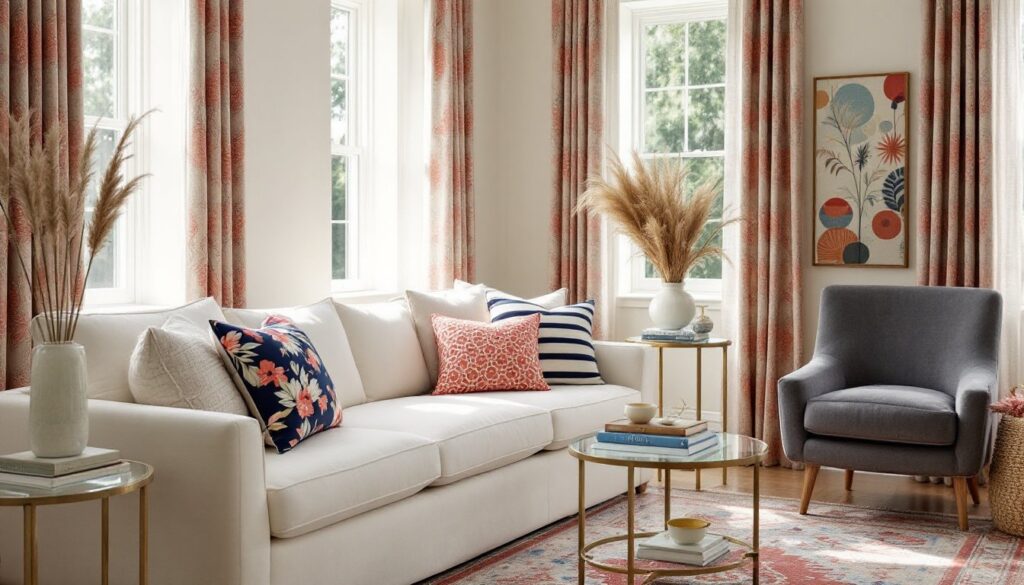
Pillows and Cushions: Mix pillow sizes and textures on sofas and beds. Combine linen, velvet, and wool covers in your neutral palette. Down-alternative fill offers good loft at lower cost than true down, though it compresses faster over time. Budget 4-6 pillows for a standard sofa, varying from 18×18-inch to 22×22-inch sizes.
Window Treatments: Heavy curtains in natural fabrics like linen or cotton provide insulation and soften hard edges. Blackout-lined curtains add functional value in bedrooms while maintaining the aesthetic. Mount curtain rods close to the ceiling and extend them 6-8 inches beyond the window frame on each side to maximize light when curtains are open and create the illusion of larger windows.
Room-by-Room Hygge Design Ideas
Applying hygge principles varies slightly by room function, but the underlying emphasis on comfort remains constant.
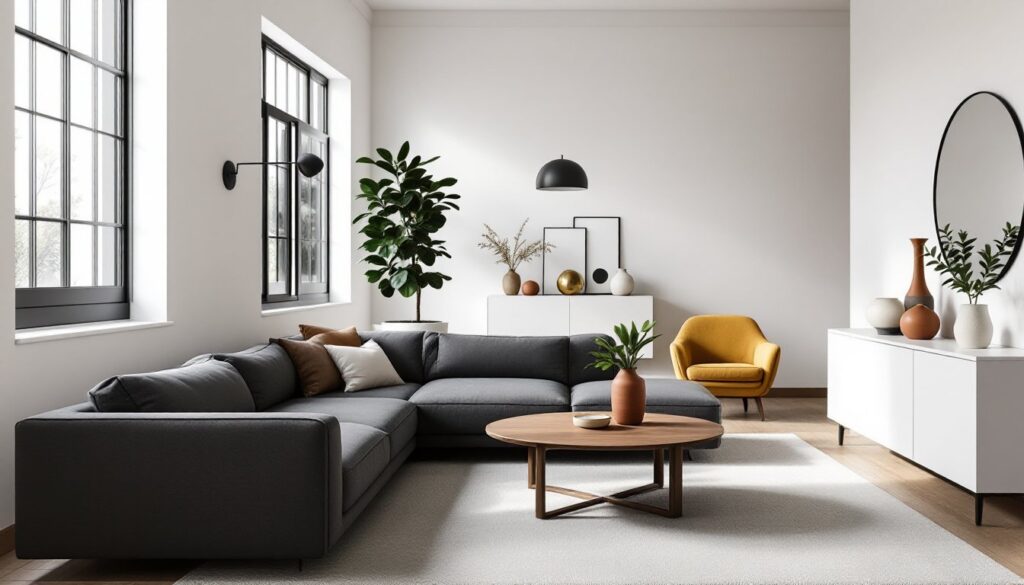
Living Room: This is hygge ground zero. Arrange seating to encourage conversation rather than just facing a TV. A sectional or cluster of chairs around a coffee table creates gathering space. Add a fireplace if you have one (gas or electric inserts work in homes without chimneys: costs range from $800-3,000 installed). Stock a basket with blankets within arm’s reach. Use a low coffee table or ottoman with a tray for candles and books. Incorporate design elements that enhance visual flow, keeping pathways clear while maintaining a lived-in feel.
Bedroom: Focus on bedding layers, start with quality cotton or linen sheets (300-400 thread count is the sweet spot for durability and softness), add a down or down-alternative duvet, and top with a textured coverlet or quilt. Flank the bed with table lamps on nightstands. If space allows, create a reading corner with a comfortable chair, small side table, and dedicated reading lamp. Keep surfaces relatively clear, hygge bedrooms should feel restful, not cluttered.
Kitchen and Dining: Open shelving displaying ceramic dishes, wooden cutting boards, and glass storage jars adds warmth while keeping essentials accessible. A solid wood dining table (or butcher block countertop) becomes a natural gathering point. Under-cabinet LED strips with warm color temperature provide task lighting without the harshness of overhead fluorescents. Keep a kettle on the stove and mugs visible, small touches that encourage the ritual of making tea or coffee.
Bathroom: Add warmth with a thick bath mat (memory foam options provide comfort underfoot), wood accessories like a teak bath caddy or stool, and plenty of soft towels. Candles on the tub edge or vanity create spa-like ambiance. If you have a bathtub, a handheld showerhead ($25-60) makes it more functional. Replace harsh vanity bulbs with warmer alternatives.
Entryway: A wooden bench with storage underneath provides a place to sit while removing shoes, a very hygge practice that also protects flooring. Hooks for coats, a small rug, and a table lamp (not just overhead lighting) make the entry feel welcoming rather than utilitarian.
DIY Hygge Projects to Transform Your Space
Several straightforward DIY projects can enhance hygge atmosphere without requiring advanced skills or major investment.
Build a Simple Wood Shelf: Open shelving from 1×8 or 1×10 pine boards (actual dimensions 3/4″ x 7.25″ or 3/4″ x 9.25″) supported by metal brackets or floating shelf hardware adds display space for books, plants, and ceramics. Cut to desired length with a circular saw, sand smooth (120-grit then 220-grit), and finish with danish oil or polyurethane for protection. Mount to wall studs using appropriate fasteners, wood screws into studs support significantly more weight than drywall anchors.
Create a Candle Display: Group candles of varying heights on a wooden tray or slate tile (available at home centers for $5-15). This contains wax drips and makes an intentional display. For added safety, especially on wood surfaces, use candle coasters or small ceramic plates underneath each candle.
Upgrade Window Treatments: Installing curtain rods and hanging heavy curtains is a manageable weekend project. Mount rods 4-6 inches above the window frame and ensure they’re level using a spirit level. For curtains that puddle slightly on the floor (a hygge-approved look), measure from rod to floor and add 2-3 inches.
Refinish a Furniture Piece: An old wood table or chair can be brought back to life with sanding and refinishing. Strip old finish with chemical stripper (work outdoors or in a well-ventilated area: wear chemical-resistant gloves and respirator). Sand progressively from 80-grit to 220-grit. Apply tung oil or danish oil for a natural finish that highlights wood grain, or use stain followed by polyurethane for more protection. This process takes patience but costs $30-60 in materials versus hundreds for new furniture.
Install Dimmer Switches: Replacing a standard light switch with a dimmer requires basic electrical knowledge. Turn off power at the circuit breaker (verify with a voltage tester, critical safety step). Most dimmers install similarly to standard switches: connect ground (green/copper), neutral (white), and hot (black) wires according to manufacturer instructions. This upgrade costs $15-30 per switch and makes an immediate difference in lighting quality. If you’re uncomfortable with electrical work, hire a licensed electrician, this typically runs $75-150 per switch installed. Note that local electrical codes may require permits for electrical work, and some jurisdictions require licensed electricians for all electrical modifications.
Make Textile Accents: If you have basic sewing skills, creating pillow covers from natural fabrics lets you customize colors and textures. Buy fabric by the yard (linen runs $15-30/yard, cotton canvas $8-15/yard), cut to size allowing for seam allowances, and sew with a basic straight stitch. Envelope-style closures don’t require zippers, just overlapping fabric on the back. Even without sewing, you can create no-sew blankets from fleece or use fabric hem tape and an iron for simple projects.