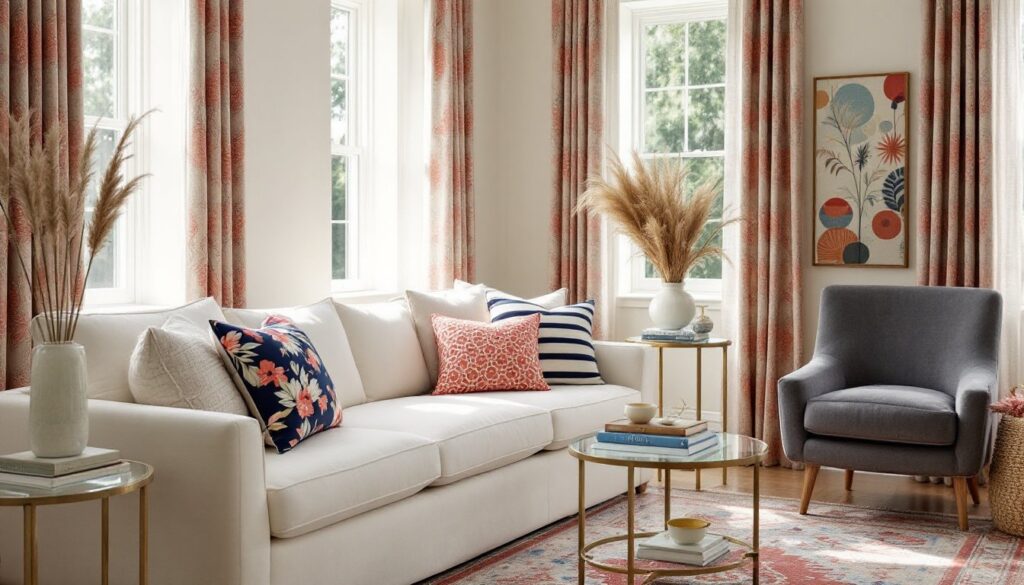
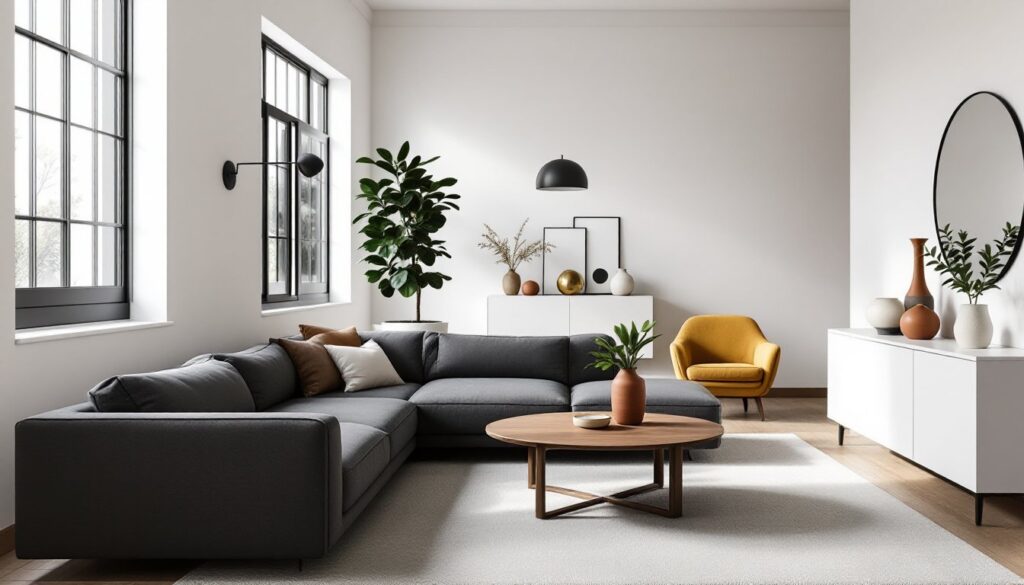
Brownstones carry a distinctive character that’s hard to replicate. These historic row houses, mostly built between 1840 and 1900, feature narrow floor plans, high ceilings, and architectural details that demand thoughtful design choices. Updating a brownstone interior isn’t about erasing history, it’s about making those grand moldings, original fireplaces, and tight staircases work for modern living. Whether tackling a single room or a full gut renovation, understanding the building’s bones and original intent helps balance preservation with functionality. This guide walks through practical strategies for color, furniture, lighting, and restoration that honor the past without living in a museum.
Table of Contents
ToggleKey Takeaways
- Brownstone interior design requires respecting load-bearing walls and original architectural details like moldings, fireplaces, and period-appropriate flooring to preserve resale value.
- Optimal color palettes for brownstones feature mid-tone grays, warm taupes, or soft sage on parlor floors, while deeper colors like charcoal or forest green can create intimate spaces in lower-light garden-level rooms.
- Apartment-scale furniture, round tables, and vertical storage solutions are essential for navigating narrow brownstone floor plans without sacrificing comfort or flow.
- Layered lighting—combining ambient fixtures, task lighting, and accent sources—is critical to brighten deep rooms where natural light doesn’t reach interior spaces.
- Modern systems like ductless mini-splits, subway tile, and shaker-style cabinets integrate contemporary function into brownstone interiors while maintaining historic charm and character.
What Makes Brownstone Architecture Unique?
True brownstones get their name from the brownstone sandstone façade, quarried primarily in Connecticut and New Jersey during the 19th century. The material weathers to a warm, ruddy brown, hence the name. Inside, these homes typically follow a railroad or semi-railroad layout: rooms stacked front to back, often 15–20 feet wide and 40–60 feet deep.
Key architectural elements include:
- High ceilings (10–14 feet on parlor floors, lower on upper stories)
- Original plaster moldings and ceiling medallions
- Pocket doors separating formal rooms
- Fireplaces in most rooms (often non-functional now, but architecturally significant)
- Front and rear access via stoops and garden-level entries
- Tall, narrow windows with deep sills
Most brownstones are load-bearing masonry. That means interior walls may be structural, especially party walls shared with neighbors. Opening walls or removing supports requires an engineer’s assessment and permits. Don’t assume any wall is non-load-bearing without professional evaluation.
Floor joists typically run perpendicular to the street, supported by a central beam. Understanding joist direction matters when planning heavy installations like clawfoot tubs or floor-to-ceiling bookshelves, spread loads across multiple joists, not parallel to one.
Honoring Original Architectural Features
Stripping out original details tanks resale value and erases what makes a brownstone worth owning. The goal: restore what’s salvageable, replicate what’s missing, and avoid fake shortcuts.
Moldings and Trim
Original crown molding, baseboards, and door casings are usually solid wood or plaster. If damaged, repair before replacing. Dutchman patches (fitted wood inserts) work for localized rot. For plaster moldings, hire a plasterer who can run custom profiles, drywall corner bead isn’t a substitute.
If moldings are missing entirely, match existing profiles in other rooms. Mill shops can replicate patterns from a sample piece. Don’t mix modern clamshell casing with original backband trim: it breaks visual continuity.
Fireplaces
Many original fireboxes are bricked up but can be reopened. Before lighting fires, get a Level 2 chimney inspection (video camera scan). Terracotta flue tiles may be cracked: relining with stainless steel inserts costs $2,000–$5,000 but allows safe use.
Mantel surrounds, marble, slate, or cast iron, are worth restoring. Strip old paint carefully with soy-based gel strippers (less toxic than methylene chloride). Don’t sandblast: it pits soft stone.
Floors
Original floors are typically tongue-and-groove oak or pine, nailed to joists with cut nails. If refinishing, avoid belt sanders in amateur hands, they gouge fast. Rent an orbital or use a professional. Stain darkness is preference, but brownstones traditionally used medium-to-dark tones. Polyurethane works for durability: oil-modified poly (not water-based) deepens wood color and hides minor imperfections.
Don’t rip out parquet or checkerboard entry floors. These are period-correct and add value. If sections are missing, source reclaimed pieces or have a woodworker fabricate replacements.
Color Palettes That Complement Brownstone Interiors
Historic brownstones used rich, saturated colors, deep greens, burgundies, navy blues, in formal rooms. Lighter shades appeared in bedrooms and service areas. Modern tastes lean neutral, but all-white can feel cold in rooms with limited natural light.
Wall Colors
For parlor floors with high ceilings and good light, mid-tone grays, warm taupes, or soft sage work well. These colors let moldings pop without competing. If painting trim, off-white or cream (not stark white) complements plaster better than pure white, which can look sterile.
In garden-level or basement spaces with lower ceilings and less light, surprisingly, deeper colors like charcoal, forest green, or even black can make walls recede, creating a cozy, intimate feel. Pair with bright white trim for contrast.
Accent Walls and Bold Choices
If the room has a fireplace or built-in bookshelf, painting that wall a bold color draws the eye and anchors the space. Testing is critical, buy quart samples and paint 2×2-foot sections. Live with them for a few days, checking color in morning, afternoon, and evening light.
Ceiling Color
Tradition says white ceilings make rooms taller. True, but in brownstones with 12-foot ceilings, painting ceilings the same color as walls (or one shade lighter) can make the space feel cohesive rather than cavernous. Not every room needs this treatment, but it’s worth trying in a bedroom or library.
Paint Coverage
One gallon of quality paint covers roughly 350–400 square feet per coat. Plaster walls often need two coats: damaged plaster may need three. Budget accordingly. Brands like Benjamin Moore Regal Select or Sherwin-Williams Duration offer better hide and durability than big-box budget lines, worth it for historic plaster that shouldn’t be repainted every two years.
Furniture and Layout Strategies for Narrow Floor Plans
A 16-foot-wide room doesn’t accommodate bulky sectionals or oversized dining tables without feeling cramped. Furniture scale and traffic flow matter more in brownstones than in open-plan homes.
Sofa and Seating
Choose apartment-scale sofas (72–84 inches) rather than full-depth sectionals. If a sectional is non-negotiable, L-shaped works better than U-shaped. Place the long side against the longest wall, leaving pathways clear. Many homeowners adopting interior design tips find that floating furniture away from walls can actually improve flow in narrow rooms.
Dining Tables
Round or oval tables take up less visual space and ease movement. A 48-inch round seats four comfortably, 54–60 inches seats six. If the room is truly narrow (under 12 feet wide), a rectangular table against one wall with bench seating on the wall side maximizes seats without blocking passage.
Storage
Built-ins are a brownstone’s best friend. Floor-to-ceiling bookshelves flanking a fireplace add storage without eating floor space. Custom millwork costs $200–$500 per linear foot installed, but it’s permanent, load-bearing, and adds resale value. DIYers can build simpler versions using 3/4-inch plywood and pre-made crown molding, though achieving professional-grade results requires a table saw, pocket-hole jig, and patience.
Vertical Thinking
With 10+ foot ceilings, go tall. Wardrobes, armoires, and cabinets that reach the ceiling draw the eye up and store more. Avoid squat, wide furniture that emphasizes the room’s narrowness.
Traffic Lanes
Maintain at least 30–36 inches of clearance for primary walkways. In tight hallways or between furniture, 24 inches is minimum. If you’re constantly turning sideways, the layout isn’t working.
Lighting Solutions to Brighten Deep Rooms
Brownstone floor plans often create deep, narrow rooms where natural light doesn’t reach the center or back. Layered lighting, ambient, task, and accent, is essential, not optional.
Ambient Lighting
Original brownstones used gas chandeliers, later converted to electric. If the room has a ceiling medallion, a chandelier or pendant should hang from it. For 10-foot ceilings, the bottom of the fixture should be at least 7 feet off the floor: for 12-foot ceilings, 7.5–8 feet works. Oversized fixtures suit high ceilings better than dainty ones.
If overhead wiring doesn’t exist, running new cable through plaster ceilings is messy. Surface-mounted conduit (painted to match walls) or wireless battery-powered fixtures are cleaner alternatives, though battery options suit accent lighting more than primary sources.
Recessed Lighting
Recessed cans work in modern renovations but can look anachronistic in ornate parlors. If using them, 4-inch apertures are less obtrusive than 6-inch. Keep spacing even, typically 4–6 feet apart, and avoid placing them too close to crown molding, which casts harsh shadows.
Task and Accent Lighting
Floor lamps, table lamps, and wall sconces fill gaps. In long rooms, place lamps at both ends to balance light. Swing-arm sconces flanking a sofa or bed provide reading light without taking table space. Designers featured on platforms like Elle Decor often layer multiple light sources to create depth and warmth in historic interiors.
Dimmer Switches
Install dimmers on all overhead circuits. They’re inexpensive ($15–$40 per switch) and critical for adjusting mood. Make sure dimmer type matches bulb type, LED bulbs require LED-compatible dimmers, or they’ll flicker.
Windows and Treatments
Don’t block light with heavy drapes. Sheer curtains or cellular shades provide privacy without dimming rooms. If privacy isn’t an issue (upper floors, rear-facing windows), leave windows bare. Painting window frames and sills bright white reflects more light than wood tones.
Blending Modern Comfort with Historic Charm
Modern living demands HVAC, updated electrical, and functional kitchens, none of which existed when brownstones were built. The trick is integrating these systems without gutting character.
Heating and Cooling
Original cast-iron radiators are both functional and beautiful. If they work, keep them. If not, restoration (flushing, re-piping, new valves) is often cheaper than replacement. Ductless mini-split systems provide AC without cutting ducts through plaster walls. Wall-mounted heads aren’t subtle, but ceiling cassettes can be recessed if joist bays allow. Expect $3,000–$6,000 per zone installed.
Kitchens and Baths
These rooms need full modern function but don’t have to scream “2020s renovation.” Mixing elements helps:
- Subway tile (3×6 white ceramic) is period-appropriate and timeless
- Marble or soapstone counters suit historic kitchens better than granite slabs
- Apron-front sinks and bridge faucets nod to vintage style with modern guts
- Shaker-style cabinets work in almost any era: skip ultra-modern flat-panel or overly ornate raised-panel doors
If the kitchen is in a former parlor (common in converted brownstones), match ceiling height and molding to adjoining rooms. Don’t drop soffits unless mechanicals require it, exposed ductwork painted to match walls looks better than cheap soffits. Resources like Homedit offer numerous examples of blending contemporary fixtures with classic bones.
Electrical and Outlets
Modern code (NEC Article 210) requires outlets every 12 feet along walls, which often means surface-mounted boxes or fishing wire through plaster. Wiremold raceway isn’t beautiful, but painted carefully it’s less destructive than cutting plaster. For critical circuits (kitchen, office), it’s worth opening walls. For ambient improvements, add floor outlets in the center of large rooms, expensive but clean-looking.
Flooring Transitions
When adding new flooring (tile in baths, for instance), transition strips between materials should be minimal. Schluter or similar metal profiles work: thick wood thresholds trip people and look clunky.
Conclusion
Brownstone interiors reward patience and respect for the original build. Shortcuts, covering moldings, ignoring structural realities, painting everything builder white, waste the home’s greatest asset. Tackle projects in order: assess structure and systems first, then restore details, then furnish and decorate. When in doubt, consult the Interior Design Archives or professionals who specialize in historic homes. The result is a space that feels both rooted and livable, exactly what these buildings were meant to be.