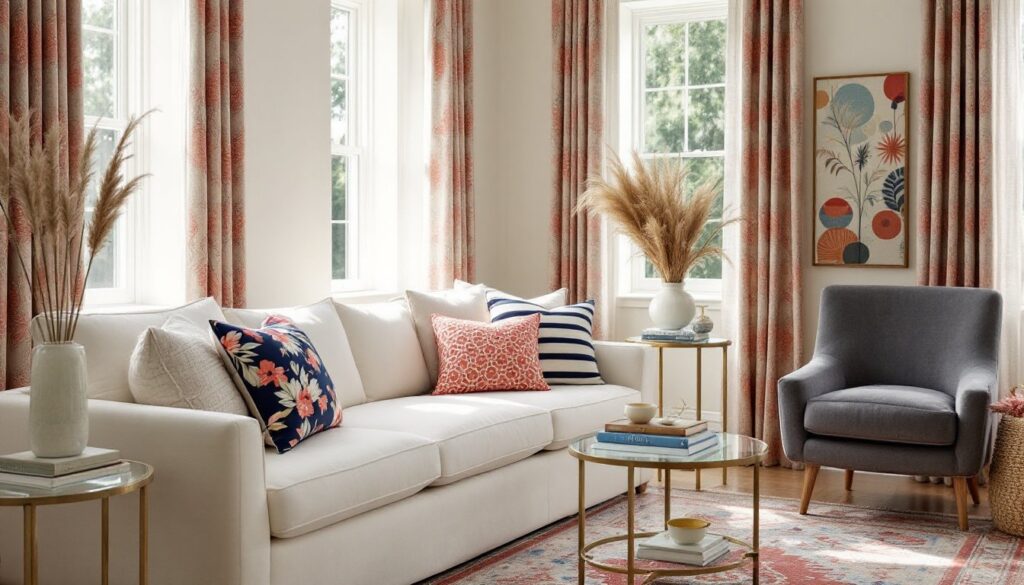
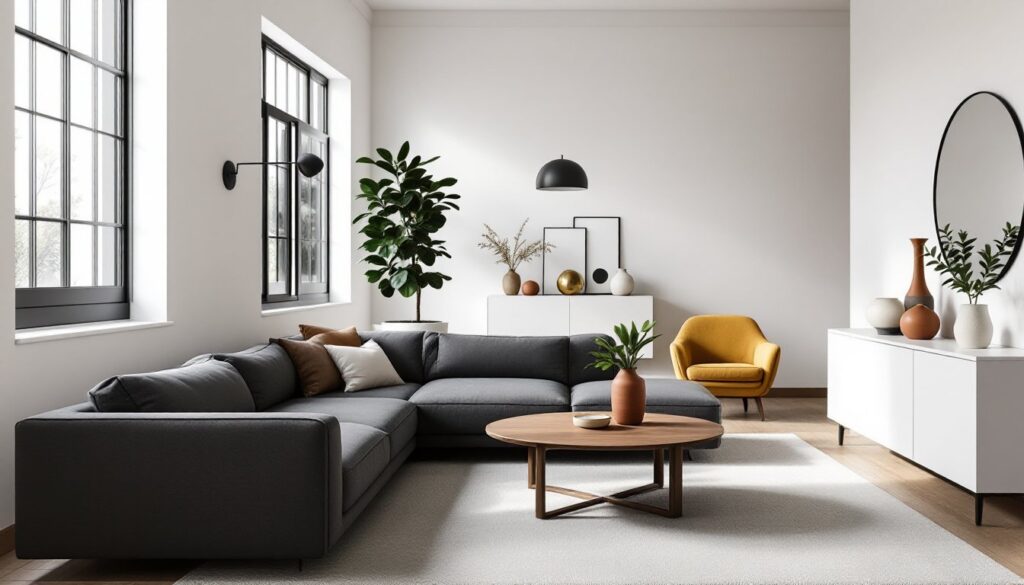
The 1970s didn’t just give us disco and bell-bottoms, the decade left a lasting mark on interior design that’s experiencing a full-blown revival. Modern 70s interior design takes the era’s warmth, tactile richness, and earthy palette and strips away the dated excess. What remains is a sophisticated aesthetic that feels both nostalgic and fresh. This approach blends vintage character with contemporary functionality, creating spaces that radiate personality without feeling like a time capsule. Whether updating a single room or tackling a whole-home refresh, these principles will help translate 70s flair into livable, modern spaces.
Table of Contents
ToggleKey Takeaways
- Modern 70s interior design balances nostalgic warmth with contemporary restraint by cherry-picking the decade’s best elements—organic shapes, layered textures, and earthy color schemes—while maintaining clean lines and uncluttered spaces.
- Use a neutral base of warm whites, creams, or soft tans and layer in signature 70s colors like terracotta, mustard, sage, and chocolate brown through furnishings, art, and accessories rather than wall-to-wall coverage.
- Essential furniture pieces include low-slung sofas with deep seats, platform beds without box springs, modular shelving in walnut or teak, and sculptural seating like womb chairs that capture the era’s minimalism without overwhelming modern homes.
- Layer diverse textures such as velvet upholstery, shag rugs, macramé, and natural materials like rattan and cork to create the cozy, inviting tactile experience that defines the modern 70s aesthetic.
- Styling essentials like brass or chrome arc floor lamps, large-scale plants in ceramic planters, statement mirrors with sunburst frames, and vintage ceramics instantly evoke 70s sophistication without requiring major renovations.
- Apply modern 70s interior design room-by-room starting with a single space—use a platform bed in the bedroom, low-profile sofa in the living room, or cork flooring in the kitchen—and build gradually as budget and time allow.
What Makes Modern 70s Interior Design Unique?
Modern 70s interior design distinguishes itself through a deliberate balance between retro warmth and contemporary restraint. Unlike the sometimes overwhelming aesthetic of the original era, the modern interpretation cherry-picks the decade’s best elements, organic shapes, layered textures, and inviting color schemes, while maintaining clean lines and uncluttered spaces.
The 70s brought a shift toward more casual, comfortable living after the formality of mid-century design. Low-profile furniture, conversation pits, and open floor plans reflected a looser, more social approach to home life. Today’s version preserves that relaxed vibe but adapts it for how people actually live now: smaller homes, multifunctional rooms, and a preference for curated rather than cluttered.
Key characteristics include curved furniture silhouettes, warm metallics like brass and copper, and an emphasis on natural materials. The design philosophy centers on tactile experiences, spaces you want to touch and sink into. Unlike the bolder aesthetic of later decades, 70s-inspired interiors lean toward earthiness and organic flow rather than high contrast and geometric punch.
This style works particularly well in homes with good natural light, since the palette and materials respond beautifully to changing daylight. It also pairs surprisingly well with modern technology: a sleek flat-screen TV doesn’t clash when surrounded by textured textiles and warm wood tones.
Essential Color Palettes for a Modern 70s Aesthetic
The 70s color palette drew heavily from nature: harvest gold, burnt orange, avocado green, and warm browns dominated. For a modern take, these hues need tempering. Use them as accents rather than wall-to-wall coverage.
Primary palette options:
- Terracotta and rust: These earthy reds work beautifully on accent walls or in textiles. Pair with cream or warm white to avoid overwhelming a space.
- Ochre and mustard: Rich yellows add warmth without the dated feel of bright harvest gold. Use in throw pillows, artwork, or a single statement chair.
- Sage and olive: Muted greens provide grounding without the intensity of vintage avocado. These work well in kitchens and bedrooms.
- Chocolate brown: Deep, warm browns add sophistication. Modern applications include wood paneling (think walnut or teak), leather furniture, or painted cabinetry.
Application strategy:
Start with a neutral base, warm whites, creams, or soft tans. Layer in 70s tones through furnishings, art, and accessories. This approach allows flexibility: swap out a burnt orange throw blanket more easily than repainting an entire room.
When selecting paint, note that modern formulations offer better coverage than vintage options. Most quality paints cover approximately 350-400 square feet per gallon on smooth, primed surfaces. Textured walls or bold color shifts may require two coats. For 70s-inspired accent walls, consider Benjamin Moore’s “Copper Kettle” or Sherwin-Williams “Rookwood Terra Cotta.”
Avoid mixing too many 70s colors in one space. Pick one or two signature hues per room and build from there. According to guidance from design publications like Decoist, the most successful retro-inspired spaces show restraint in color application.
Key Furniture Pieces That Define the Modern 70s Look
Furniture from the 70s emphasized low profiles, organic shapes, and comfort. Modern versions refine these concepts without sacrificing the era’s distinctive character.
Essential pieces:
- Low-slung sofas: Look for designs with clean lines and deep seats, upholstered in velvet, corduroy, or leather. Avoid overly tufted or ornate options. Seat height typically runs 16-18 inches from the floor, compared to the standard 18-20 inches for contemporary sofas.
- Womb chairs and egg chairs: These sculptural seating options became icons of the era. Reproduction versions work well as accent pieces in living rooms or reading nooks.
- Platform beds: Simple frames with integrated or floating bases capture 70s minimalism. Skip the box spring: these typically use slat systems or solid platform decks.
- Modular shelving: Wall-mounted wood shelving units in walnut or teak offer both storage and display. Systems with adjustable shelves provide flexibility.
- Rattan and wicker furniture: Natural materials were huge in the 70s. Modern pieces clean up the look with tighter weaves and less bulk.
Material considerations:
Authentic 70s furniture often used solid wood, teak, walnut, or rosewood. Quality reproductions should use solid hardwood or high-grade plywood rather than particleboard. Check joinery: dovetail or mortise-and-tenon connections outlast stapled or glued assemblies.
When shopping vintage, inspect for structural soundness. Wobbly joints indicate failing adhesive or loose hardware. Reupholstering a solid vintage frame often costs $500-1,200 depending on fabric choice and complexity, but delivers a one-of-a-kind piece.
Scale matters in contemporary homes. Many 70s pieces were designed for spacious rooms. Measure carefully before committing to oversized furniture that might overwhelm a smaller space. Understanding rhythm in interior design helps create visual flow even when mixing vintage-scale pieces with modern elements.
Textures and Materials to Embrace
The 70s celebrated tactile variety. Layering different textures creates the cozy, inviting atmosphere that defines the era.
Key materials:
- Velvet: Rich and luxurious, velvet upholstery on sofas or accent chairs instantly evokes 70s glamour. Modern performance velvets resist staining better than vintage options.
- Shag rugs: Deep-pile carpets were everywhere. Contemporary versions use softer, cleaner yarns. Expect pile heights of 1.5-2 inches for authentic shag feel. Vacuum with beater bar turned off to prevent damage.
- Macramé: Hand-knotted wall hangings, plant hangers, and even room dividers add handcrafted texture. DIY versions require only cotton cord and basic knotting skills.
- Rattan and cane: Natural woven materials appear in furniture, lighting, and decorative objects. Cane webbing on cabinet doors or chair backs provides visual interest.
- Cork: Used for wall covering, bulletin boards, or flooring. Cork tiles typically come in 12×12-inch or 12×24-inch formats. Installation requires construction adhesive and a flat, clean substrate.
- Wood paneling: Not the dark, oppressive paneling of basement rec rooms. Instead, look for lighter woods installed horizontally or in modern patterns. Tongue-and-groove planks in cedar, pine, or poplar run $1.50-4.00 per linear foot.
Application tips:
Layer textures within a single space for depth. Pair a smooth leather sofa with a chunky knit throw, shag rug underfoot, and macramé wall art. Contrast rough and refined, glossy ceramics against matte textiles, polished wood tables on textured rugs.
When installing wood paneling, ensure proper wall prep. Apply furring strips if walls aren’t perfectly flat. Allow wood to acclimate to room humidity for 48-72 hours before installation to minimize expansion or contraction.
For organic interior design approaches, natural materials like rattan, cork, and untreated wood align perfectly with sustainability goals while delivering authentic 70s character.
How to Style Your Space with 70s-Inspired Decor
Accessories and decorative elements tie together a modern 70s aesthetic without requiring major renovation work.
Styling essentials:
Lighting: Look for arc floor lamps with brass or chrome finishes, globe pendants in smoked glass or amber, and sculptural table lamps with geometric bases. The iconic Arco lamp remains a perfect fit, its marble base and arching stem create instant 70s sophistication. When wiring vintage fixtures, hire a licensed electrician to ensure compliance with current National Electrical Code (NEC) standards.
Plants: Greenery was non-negotiable in 70s homes. Focus on large-scale plants like fiddle-leaf figs, rubber trees, and monstera. Use ceramic or terracotta planters in earthy tones. Macramé plant hangers work well for trailing pothos or spider plants.
Art and wall decor: Opt for large-scale prints, tapestries, or framed abstract art in period-appropriate colors. Gallery walls work less well than statement pieces: the 70s favored bold focal points. Mirrors with sunburst frames or thick wood borders add dimension.
Ceramics and sculptural objects: Hunt for vintage pottery in organic shapes, lava glazes, drip patterns, and earthy tones. Modern makers like Heath Ceramics often featured on Design Milk produce contemporary pieces with vintage-compatible aesthetics.
Bar carts and serving pieces: Brass or smoked glass bar carts instantly suggest 70s cocktail culture. Stock with vintage glassware, amber, green, or smoke-tinted pieces.
Installation notes:
When hanging heavy mirrors or art, locate studs with a stud finder. For drywall installation, use appropriate anchors. Toggle bolts support 50-100 pounds when properly installed in half-inch drywall. Picture-hanging wire distributes weight better than single-point hanging for pieces over 20 pounds.
Large plants in heavy ceramic pots may exceed floor load capacities in older homes if clustered together. Distribute weight across floor joists rather than concentrating in one spot.
Room-by-Room Application Tips
Living room:
Start with a low-profile sofa in rich velvet or leather. Add a shag rug in a neutral tone, cream, tan, or soft gray. Install an arc floor lamp for ambient lighting. Layer in throw pillows in terracotta, mustard, or sage. A wood coffee table with organic curves grounds the space. Wall-mounted shelving in walnut showcases ceramics and books.
Bedroom:
Choose a platform bed with a simple wood frame. Skip the footboard for a cleaner look. Use warm, textured bedding, chenille or velvet duvet covers, linen sheets in earth tones. Hang a macramé wall hanging above the bed or install wood paneling on one accent wall. Brass or ceramic table lamps on nightstands provide task lighting. Keep window treatments simple: woven wood shades or linen curtains maintain the organic feel.
Kitchen and dining:
If undertaking cabinetry updates, consider walnut veneer or painted cabinets in deep terracotta or sage. Cork flooring provides warmth underfoot and excellent sound dampening. Pendant lights over an island or dining table, globe styles in amber glass work particularly well. For a non-permanent update, swap cabinet hardware to brass or copper pulls and knobs. Dining chairs with cane backs or velvet upholstery reference the era without full commitment.
Home office:
Modern 70s aesthetics translate beautifully to workspaces. A wood desk in walnut or teak sets the tone. Add a sculptural task lamp and a comfortable upholstered chair. Cork boards for organization fit both practically and aesthetically. Publications like Dwell often showcase period-inspired workspace solutions.
Bathroom:
Smaller updates deliver big impact. Replace builder-grade chrome fixtures with warm brass alternatives. Add terracotta or sage towels. Install wood-framed mirrors and consider peel-and-stick wood-look wall treatments if permanent paneling isn’t feasible. Plants thrive in bathroom humidity, pothos or ferns in hanging planters work perfectly.
Safety and code considerations:
Electrical updates, particularly in kitchens and bathrooms, must meet current NEC standards including GFCI protection. Bathroom ventilation fans should move at least 50 CFM for spaces under 100 square feet. Any structural work involving load-bearing walls requires permit and professional evaluation, consult local building codes before removing or modifying walls.
Conclusion
Modern 70s interior design proves that retro doesn’t mean outdated. By selectively incorporating the decade’s warm colors, organic materials, and tactile textures, homeowners create spaces with genuine character and comfort. The key lies in restraint, choosing signature elements rather than attempting a complete period recreation. Start with one room, experiment with paint colors and textiles, and build from there. The beauty of this aesthetic is its flexibility: pieces layer in gradually as budget and time allow, creating homes that feel both nostalgic and entirely current.