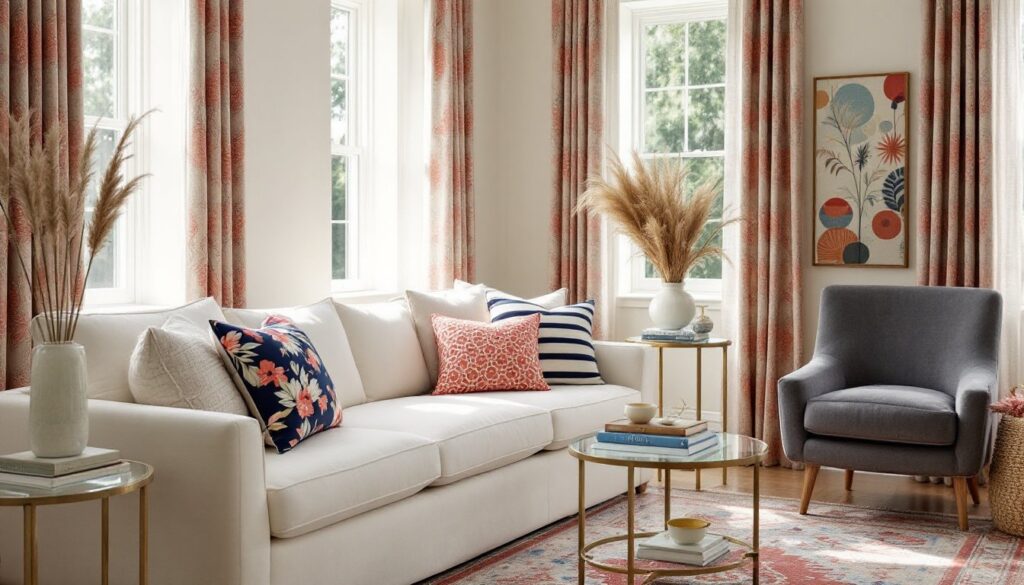
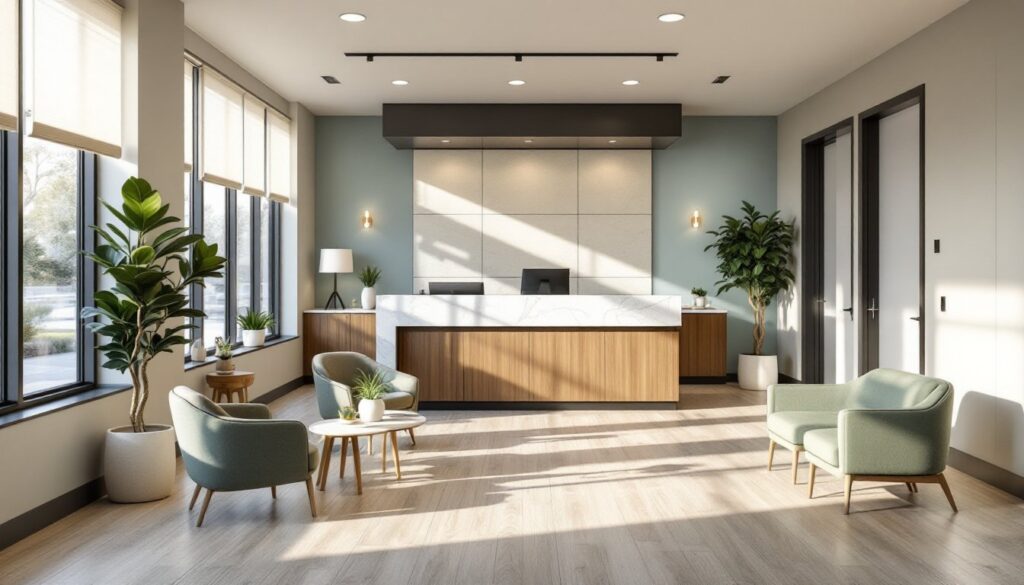
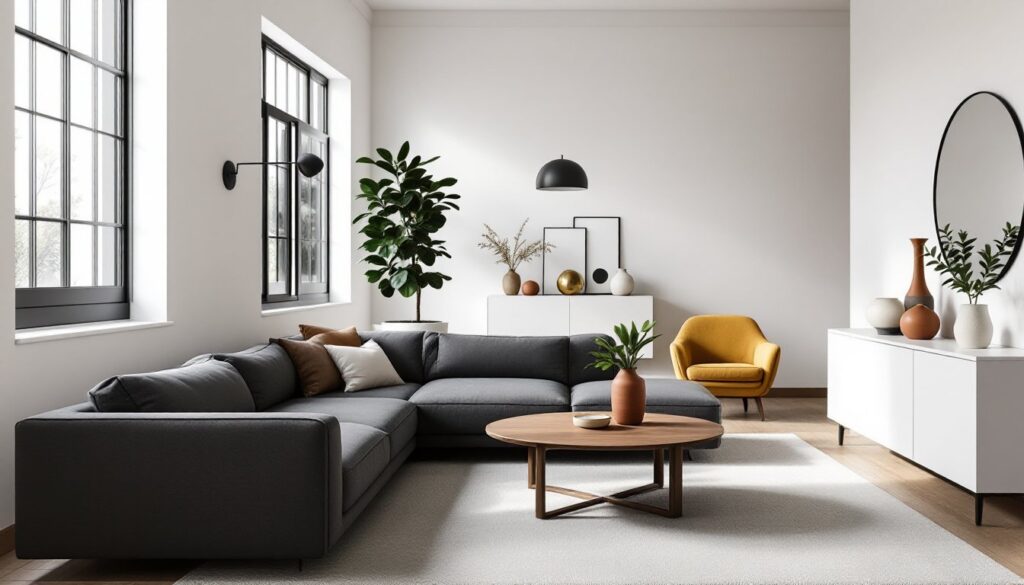
Classic contemporary interior design isn’t about following fleeting trends or cramming your home with the latest Instagram-worthy decor. It’s a deliberate fusion of traditional elegance and modern restraint, think clean lines meeting crown molding, or a mid-century modern sofa paired with a vintage Persian rug. This approach delivers rooms that feel both grounded and current, where quality materials and thoughtful proportions take center stage. For homeowners tired of spaces that feel either too stuffy or too stark, this style offers a practical middle ground that ages well and suits real living.
Table of Contents
ToggleKey Takeaways
- Classic contemporary interior design merges traditional elegance with modern restraint, creating spaces that balance warmth and simplicity through quality materials and thoughtful proportions.
- Establish a neutral foundation with whites, grays, and taupes, then layer matte, satin, and semi-gloss finishes and natural textures to prevent monochrome palettes from feeling flat.
- Invest in furniture with clean silhouettes, solid wood frames, and durable fabrics like linen and performance velvet rather than particleboard, which always reads as cheap.
- Proper lighting strategy requires layering ambient, task, and accent lighting at different heights using warm white LEDs (2700K–3000K) to avoid flat, unflattering illumination.
- Common pitfalls include mixing too many styles at once, over-accessorizing, neglecting proper paint preparation, and choosing trendy finishes over timeless design elements that age well.
What Is Classic Contemporary Interior Design?
Classic contemporary interior design merges the architectural integrity and craftsmanship of traditional styles with the streamlined aesthetics of modern design. It’s not a 50-50 split, rather, it’s a selective borrowing that emphasizes proportion, symmetry, and quality over ornament.
The “classic” component draws from Georgian, Federal, or European influences: paneled wainscoting, coffered ceilings, baseboards with actual depth (think 5¼-inch or wider), and hardwood floors in oak or walnut. The “contemporary” side strips away excess detail, favoring flat-panel cabinetry, open floor plans, and neutral backdrops that let furnishings breathe.
Unlike purely minimalist interiors, classic contemporary spaces retain warmth through natural materials, solid wood furniture, wool area rugs, linen upholstery, and stone countertops. The result feels curated rather than austere. This balance makes the style forgiving for DIYers: you’re not chasing a single “look,” but rather assembling a cohesive palette of well-made pieces that don’t scream for attention.
One key distinction: this isn’t transitional design, which often blends contemporary and traditional in equal measure. Classic contemporary leans modern in form but classical in quality and finish. Trim stays minimal but well-executed: furniture silhouettes are clean but built to last.
Key Elements That Define Classic Contemporary Style
Color Palettes for Classic Contemporary Interiors
The foundation of classic contemporary color work is a neutral base, whites, grays, taupes, and soft beiges, with accents pulled from nature or muted jewel tones. Start with walls in a high-quality low-VOC paint like Benjamin Moore Regal Select or Sherwin-Williams Emerald in shades like Revere Pewter, Classic Gray, or Swiss Coffee. These cover around 350–400 square feet per gallon, so budget accordingly for your square footage.
Avoid stark white unless you’ve got abundant natural light: cooler whites (with blue or gray undertones) can feel clinical without the right exposure. Warmer whites and greiges ground a space without making it feel dated. For accent walls or architectural features like built-ins, consider deeper charcoals or navy, but keep it to one focal plane per room.
Many designers working in this style also incorporate textural variety to prevent monochrome palettes from falling flat. Layering matte, satin, and semi-gloss finishes, even within the same color family, adds depth without pattern.
Trim and molding typically stay white or off-white to create crisp definition against wall color. If you’re installing new trim, 3½-inch baseboard is the minimum for visual weight: 5¼-inch or taller reads more refined. Use a semi-gloss or satin finish for durability and easier cleaning.
Furniture Selection: Balancing Form and Function
Furniture in classic contemporary spaces should be substantial without being fussy. Look for pieces with clean profiles, straight or gently tapered legs, low-relief upholstery, and exposed wood or metal frames. Avoid anything with excessive tufting, carved florals, or ornate hardware.
Sofas and chairs: Choose upholstery in durable fabrics like 12-ounce linen, performance velvet, or wool blends. Leather works well for accent chairs, opt for full-grain or top-grain rather than bonded, which deteriorates quickly. Frame construction matters: hardwood frames (maple, oak) joined with mortise-and-tenon or dowel joints outlast stapled particleboard. If you’re reupholstering vintage pieces, this is an ideal style for it, mid-century modern frames and English roll-arm sofas both fit the aesthetic when recovered in neutral tones.
Tables and case goods: Solid wood or wood veneer over plywood core beats MDF or laminate for longevity. Walnut, white oak, and maple are popular choices. Hardware should be minimal, recessed pulls, bar handles in brushed nickel, matte black, or unlacquered brass. For dining tables, consider a simple trestle or pedestal base rather than ornate turned legs. Publications covering modern design trends often highlight these streamlined silhouettes.
Storage and built-ins: Custom or semi-custom cabinetry in Shaker or flat-panel styles provides visual consistency. If you’re DIYing built-ins, use ¾-inch plywood (actual thickness) for shelves and face frames, and finish with a durable conversion varnish or water-based polyurethane. Crown molding on built-ins should be restrained, 2–3 inches max, with simple profiles.
Mix in a few statement pieces, an Eames lounge chair, a Saarinen tulip table, or a vintage credenza, but let them stand alone rather than clustering competing focal points.
How to Incorporate Classic Contemporary Design in Your Home
Start by auditing your existing space. Classic contemporary thrives on edited, uncluttered environments, so the first step is often subtractive: remove anything that doesn’t serve a clear function or bring genuine visual pleasure. This isn’t minimalism for its own sake, it’s about letting quality pieces breathe.
Architectural updates: If you’re renovating, prioritize proportion and detail. Replace hollow-core doors with solid-core or five-panel Shaker-style doors (actual dimension: 1⅜-inch thick). Install window casings at least 3½ inches wide and consider adding a simple backband for depth. For flooring, ¾-inch solid or engineered hardwood in 3–5-inch planks feels substantial: wider planks (6–8 inches) can work in larger rooms but may overwhelm smaller spaces. Skip trendy gray-washed finishes, natural or medium-stain oak and walnut age better.
If you’re not opening walls, focus on finish upgrades. Swap builder-grade trim for something with actual heft. Replace plastic light switches and outlets with metal toggle switches or Decora-style rocker switches in brushed or matte finishes, small details that elevate the overall feel.
Lighting strategy: Layer ambient, task, and accent lighting. Recessed LED downlights (4-inch or 6-inch housings, depending on ceiling height) provide general illumination without visual clutter. Add pendant fixtures over islands or dining tables, look for glass, brushed metal, or ceramic in simple geometric shapes. Avoid overly ornate chandeliers: a drum shade or Sputnik-style fixture works better. For reading areas, use adjustable floor or table lamps with linen or metal shades. Dimmer switches on every circuit are non-negotiable for flexibility.
When developing design concepts for specific rooms, focus on one or two hero pieces per space and build around them. In a living room, that might be a sculptural coffee table and a pair of upholstered chairs: in a bedroom, a platform bed with an upholstered headboard and matching nightstands.
Textiles and accessories: Use area rugs to define zones in open-plan spaces. Wool or wool-blend rugs in geometric patterns or subtle textures work well, avoid busy florals or high-contrast patterns. Window treatments should be functional: linen or cotton blend drapery on simple rod systems (¾-inch to 1⅜-inch diameter), mounted 6–12 inches above the window frame and extending to the floor. Roman shades or roller shades in natural fabrics are good alternatives.
Art and decor should be intentional. A single large-scale piece (48 inches or wider) has more impact than a gallery wall of small prints. For shelving, group objects in odd numbers and vary heights, but leave plenty of negative space.
If you’re working on a room that incorporates organic materials and textures, ensure they align with the streamlined aesthetic rather than veering rustic.
DIY-friendly projects:
- Paint refresh: Walls, trim, and ceilings in a cohesive neutral palette. Use low-VOC paint and proper surface prep (TSP wash, sanding, priming bare wood).
- Trim upgrade: Replace or add baseboards, door casings, and crown molding. Measure twice, use a miter saw for clean 45-degree cuts, and fill nail holes with lightweight spackle before caulking and painting.
- Hardware swap: Replace cabinet pulls, doorknobs, and light switch plates. This takes an afternoon and makes a noticeable difference.
- Open shelving: Remove upper cabinet doors or install floating shelves using heavy-duty brackets rated for the load (typically 50–75 pounds per bracket for ¾-inch hardwood shelves).
For structural work, removing load-bearing walls, relocating plumbing, or upgrading electrical panels, hire licensed professionals. Most jurisdictions require permits for these changes, and DIY mistakes can be costly or dangerous.
Common Mistakes to Avoid When Creating a Classic Contemporary Space
Mixing too many styles at once. Classic contemporary can incorporate a range of influences, but there’s a limit. A French bergère chair, a mid-century credenza, a farmhouse dining table, and industrial lighting in the same room creates visual chaos. Pick a primary style for large furniture, then layer in one or two accent pieces from other eras.
Skimping on materials. Particleboard furniture wrapped in photo-printed “wood grain” laminate will always read cheap. If budget’s tight, buy fewer pieces in solid wood or quality veneer rather than filling a room with disposable furniture. Thrift stores and estate sales often yield solid-wood vintage pieces that just need refinishing, a coat of oil-based or water-based polyurethane (three coats, sanding with 220-grit between coats) transforms tired wood.
Ignoring scale and proportion. Oversized sectionals in small rooms or spindly furniture in large spaces throws off the balance. Measure your room and furniture before buying. A good rule: leave 30–36 inches of walkway space around furniture groupings. Coffee tables should be roughly two-thirds the length of the sofa they serve.
Neglecting lighting layers. A single overhead fixture, even a nice one, creates flat, unflattering light. Install multiple sources at different heights. Use warm white LEDs (2700K–3000K) for living areas: cooler temps feel institutional. If you’re installing recessed lights, space them roughly 4–6 feet apart in a grid, avoiding placement directly over seating (it creates harsh shadows).
Forgetting about rhythm and repetition in design. Classic contemporary relies on visual consistency, repeated materials, coordinated finishes, aligned sight lines. If you choose matte black hardware in the kitchen, carry it through to bathroom faucets and light fixtures. If trim is white semi-gloss, keep it that way throughout the home.
Over-accessorizing. More isn’t better. A mantel doesn’t need a mirror, two vases, three candlesticks, and a stack of books. Choose one or two well-made objects and let them stand alone. Resources like Design Milk showcase how restraint elevates individual pieces.
Painting without proper prep. The single biggest DIY mistake is rolling fresh paint over dirty walls or skipping primer. Wash walls with TSP (trisodium phosphate) or a TSP substitute, rinse, and let dry. Prime any patched areas, raw wood, or stains with a stain-blocking primer (BIN or Kilz). Sand glossy surfaces with 150-grit sandpaper to promote adhesion. Use painter’s tape on trim and remove it while paint’s still tacky to avoid peeling.
Choosing trendy over timeless. Resist the urge to follow every Instagram trend. Shiplap, subway tile, and barn doors can all work, but they’ve been done to death. Classic contemporary endures because it’s not trying to be of-the-moment. When in doubt, choose the simpler, less decorated option.
Conclusion
Classic contemporary interior design rewards patience and discernment. It’s not a quick makeover style, it’s a long-term approach that prioritizes craft, proportion, and restraint. By investing in quality materials, editing ruthlessly, and respecting architectural bones, homeowners create spaces that feel both current and enduring. The result is a home that doesn’t need constant updating to stay relevant.