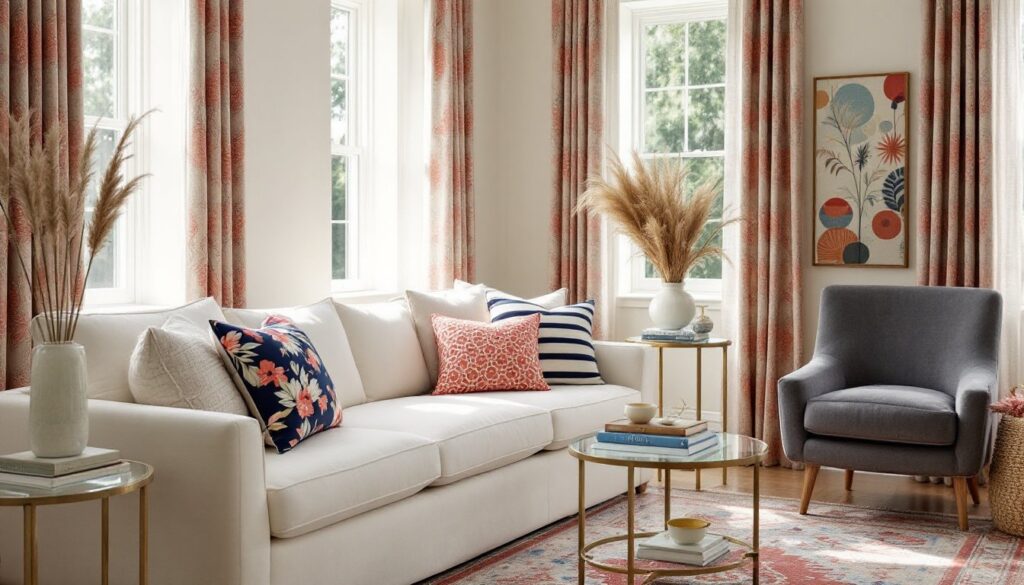
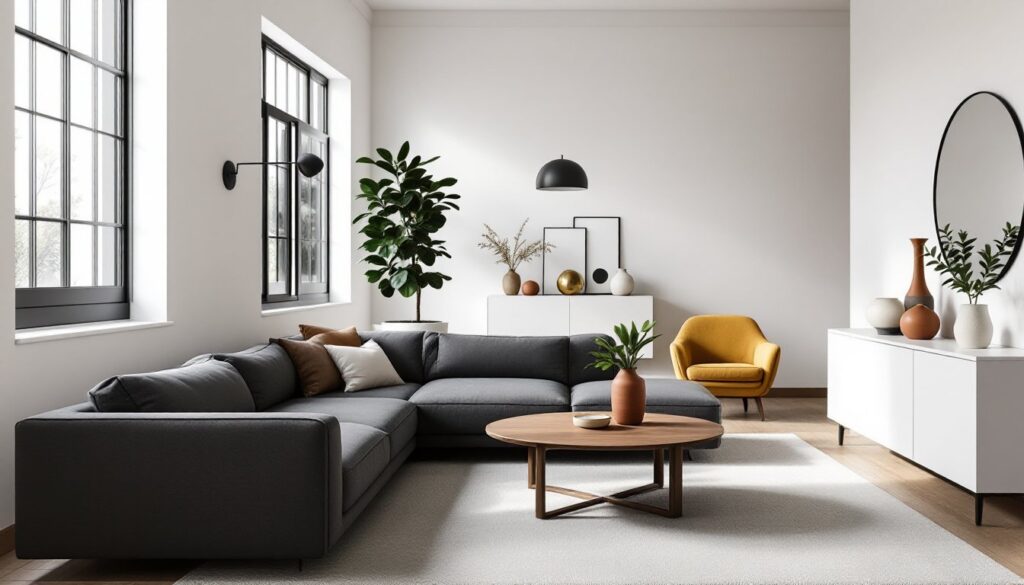
Modern Southern interior design isn’t about choosing between your grandmother’s charm and sleek minimalism, it’s about creating a home where both coexist beautifully. This design approach takes the warmth, hospitality, and richness of traditional Southern aesthetics and strips away the clutter, leaving clean lines and intentional spaces that still feel like home. The result is a style that honors heritage without feeling stuck in the past, perfect for homeowners ready to update their spaces while keeping the soul of Southern living intact.
Table of Contents
ToggleKey Takeaways
- Modern Southern interior design blends traditional warmth and architectural heritage with clean, contemporary lines, creating spaces that honor the past without feeling outdated.
- A neutral color palette with warm undertones—creamy whites, soft grays, and taupes—forms the foundation, accented with muted Southern landscape colors like sage green and dusty blue.
- Natural, tactile materials like reclaimed wood, linen, stone, and brick with visible character are essential to modern Southern design, distinguishing it from sterile minimalist interiors.
- Furniture and decor should be edited ruthlessly, with each piece earning its place through function or genuine significance rather than filling space.
- Hospitality remains central to modern Southern interiors, with gathering spaces like large kitchen islands and comfortable seating areas designed for actual use and connection.
- Balance tradition with modernism by simplifying architectural finishes, limiting heirloom display, and converting formal rooms into functional spaces that serve contemporary lifestyles.
What Makes Modern Southern Interior Design Unique?
Modern Southern design walks a tightrope between two worlds: the ornate, layered interiors of classic Southern homes and the pared-down aesthetic of contemporary design. What sets it apart is its refusal to abandon comfort and character in favor of stark minimalism.
At its core, this style keeps the bones of traditional Southern architecture, crown molding, wainscoting, hardwood floors, and generous ceiling heights, while editing out the heavy drapery, busy wallpaper, and excessive ornamentation. Think exposed ceiling beams painted white instead of dark stain, or a single statement chandelier rather than three competing light fixtures.
The hospitality principle remains non-negotiable. Spaces are designed for gathering, whether that’s a kitchen island big enough for four people to prep Sunday dinner or a front porch outfitted with actual seating, not just decorative rockers. Functionality drives every choice, but warmth prevents rooms from feeling cold or impersonal.
Another defining trait is the embrace of imperfection. Modern Southern interiors often feature organic materials and textures that show age and wear gracefully, reclaimed wood with visible grain, linen that wrinkles naturally, or vintage pieces that carry stories. This stands in contrast to the pristine, untouchable vibe of some contemporary styles.
Essential Color Palettes for Modern Southern Homes
The color foundation of modern Southern design leans heavily on neutrals with warm undertones. Think creamy whites, soft grays with beige notes, and taupes that shift in different lighting. These aren’t the stark whites or cool grays popular in Scandinavian minimalism, Southern neutrals have a buttery quality that makes spaces feel inhabited rather than staged.
Benjamin Moore’s White Dove or Sherwin-Williams’ Alabaster are go-to choices for walls and trim, offering flexibility without the sterile feel of pure white. For slightly more depth, Agreeable Gray (Sherwin-Williams) works well in rooms with ample natural light.
Accent colors pull from the Southern landscape: muted greens reminiscent of magnolia leaves, dusty blues borrowed from hydrangeas, and terracotta or burnt orange echoing clay soil. These aren’t bold, saturated hues, they’re toned down versions that blend rather than shout. A single wall in a soft sage or a collection of throw pillows in faded indigo provides color without overwhelming the space.
Black acts as a grounding element, typically introduced through metal light fixtures, window frames, or cabinet hardware. It’s used sparingly but intentionally, creating contrast that keeps neutral rooms from feeling washed out. Avoid brass or gold finishes unless you’re deliberately leaning into a more traditional look: matte black or aged bronze suit this style better.
Key Furniture and Decor Elements
Furniture selection in modern Southern interiors prioritizes clean-lined pieces with visible craftsmanship. A solid wood dining table with a simple silhouette trumps an ornate pedestal base every time. Look for furniture where the joinery is part of the design, exposed dovetails, visible mortise-and-tenon joints, or live-edge wood slabs on steel frames.
Upholstered pieces should be comfortable and substantial without looking bulky. A linen slipcovered sofa in oatmeal or gray works better than a stiff formal settee. Avoid tufting and nailhead trim, which read too traditional. Cushions should be deep enough to actually sink into, 24-inch seat depth is standard for comfort.
Decor stays edited. Instead of filling every surface, choose a few meaningful items: a vintage tobacco basket hung as wall art, a collection of ironstone pitchers, or a single oversized cutting board leaning against the backsplash. Each piece should earn its place through function or genuine significance, not just fill space.
Textiles layer in softness without fuss. Natural fiber rugs, jute, sisal, or flat-weave cotton, anchor rooms and tolerate foot traffic better than plush styles. Window treatments, when used, tend toward simple linen panels hung on matte black rods, with hardware mounted at ceiling height to emphasize room proportions. Skip the valances and swags entirely.
Incorporating Natural Materials and Textures
Material choice separates modern Southern design from its purely contemporary cousins. While sleek interiors might rely on glass, chrome, and lacquered surfaces, this style demands tactile, natural materials with visible character.
Reclaimed wood shows up frequently, old barn siding repurposed as accent walls (install horizontally with a 1/4-inch reveal between boards for a modern interpretation), ceiling beams salvaged from demolished structures, or floorboards with nail holes and patina left intact. If sourcing authentic reclaimed material isn’t feasible, look for new wood with minimal finishing: pine or oak with a clear matte sealant ages more gracefully than heavy stains.
Stone and brick contribute texture and permanence. Exposed brick walls, either original to the structure or added as a feature, work well when painted white or left natural but sealed. Limewash offers a breathable finish that maintains the texture while lightening the color. For countertops and backsplashes, consider soapstone, honed marble, or concrete, materials that develop character rather than demanding perfection.
Textile choices emphasize natural fibers: 100% linen for curtains and bedding, cotton canvas for upholstery, wool for area rugs. These materials wrinkle, fade, and soften with use, which is the point. They signal a home that’s lived in, not a showroom. When introducing patterns, stick to subtle geometrics, ticking stripes, or organic motifs rather than bold prints.
Plants bridge the gap between indoors and out. Large-scale greenery, a fiddle-leaf fig in a 14-16 inch diameter ceramic pot or a collection of ferns on a plant stand, brings life without adding clutter. Choose containers in neutral colors or raw terracotta rather than decorative glazes.
Balancing Traditional Southern Touches with Modern Minimalism
The trick to nailing this balance is editing without erasing. Traditional Southern interiors are known for layering, patterns, collections, furniture pieces, but modern Southern design asks which layers truly matter.
Start by identifying architectural elements worth preserving or highlighting. Original hardwood floors, ceiling medallions, or picture rail molding can stay, but consider simplifying the finish. Strip dark stains from floors and refinish with a clear matte polyurethane or a light whitewash. Paint ornate molding the same color as walls to make it recede slightly rather than dominate.
When incorporating heirlooms or antiques, limit quantity and give each piece room to breathe. A single inherited sideboard against a clean wall makes more impact than three pieces crowded together. If the finish feels too formal, consider having it stripped or painted, heresy to some, but effective for creating visual harmony and flow in a mixed-era space.
Traditional Southern homes often feature formal dining rooms and parlors. Modern interpretations might convert these into more useful spaces, a formal living room becomes a library or home office, or the dining room opens to the kitchen by removing a non-load-bearing wall (check with a structural engineer first: IRC Section R301 covers load-bearing requirements).
Keep traditional hospitality gestures but execute them simply. A bench by the front door with hooks above says “welcome” without requiring a full mudroom buildout. A beverage station with a simple tray, glasses, and a water pitcher offers refreshment without the formality of a full bar setup.
Room-by-Room Modern Southern Design Tips
Living Room
Anchor the space with a neutral sofa and a 6×9-foot or larger natural fiber rug that extends beyond the front furniture legs. Skip the matching chair-and-ottoman sets: instead, mix seating types, a slipcovered armchair, a wooden bench, a vintage rocker. Keep the coffee table simple: a reclaimed wood top on metal legs or a single large ottoman with a tray.
Lighting should layer: a statement ceiling fixture (consider a modern take on a lantern or a simple drum shade), a floor lamp for reading, and table lamps in ceramic or wood bases. All should use warm LED bulbs (2700-3000K) to maintain the cozy feel.
Kitchen
White or off-white Shaker-style cabinets with simple hardware (matte black pulls or knobs) form a clean backdrop. Open shelving on one wall displays everyday dishes, white stoneware or simple ceramics only, not decorative china. If the budget allows, consider a 36-inch or 48-inch apron-front sink in fireclay: it’s a traditional element that still reads modern in white.
Countertops in butcher block, soapstone, or white quartz with minimal veining keep the look grounded. A large kitchen island with seating for at least three, using 24-inch wide stools with backs for actual comfort, makes the space functional for gathering.
Bedroom
Layered bedding in neutral linens creates the lived-in look this style demands. Start with white or natural linen sheets, add a lightweight quilt or coverlet in a muted color, and finish with a couple of throw pillows (two to four maximum, not a dozen). The bed frame should be substantial but simple: a wooden platform bed or an upholstered headboard in natural linen.
Nightstand lamps should match in style but don’t have to be identical. A ceramic base on one side and a wooden one on the other adds interest while maintaining balance. Keep surfaces clear except for a reading lamp, a small plant, and perhaps one book.
Bathroom
Wainscoting painted white (install to 32-36 inches from the floor) pairs with painted walls above in a soft gray or greige. A freestanding tub, if space and budget permit, feels traditionally Southern but works in a modern context when the faucet fixture is simple and matte black.
Vanity cabinetry follows the same principle as kitchen cabinets: Shaker doors in white or a light wood tone, topped with a simple white countertop. Choose a rectangular undermount sink over a decorative vessel style. Storage should include drawers with dividers, functionality matters more than decorative cabinet doors.
Conclusion
Modern Southern interior design proves that updating a home doesn’t mean abandoning its character. By keeping architectural integrity, choosing quality natural materials, and editing ruthlessly, homeowners can create spaces that honor Southern traditions while functioning for contemporary life. The style demands honesty, about what truly matters, what actually gets used, and what just takes up space.