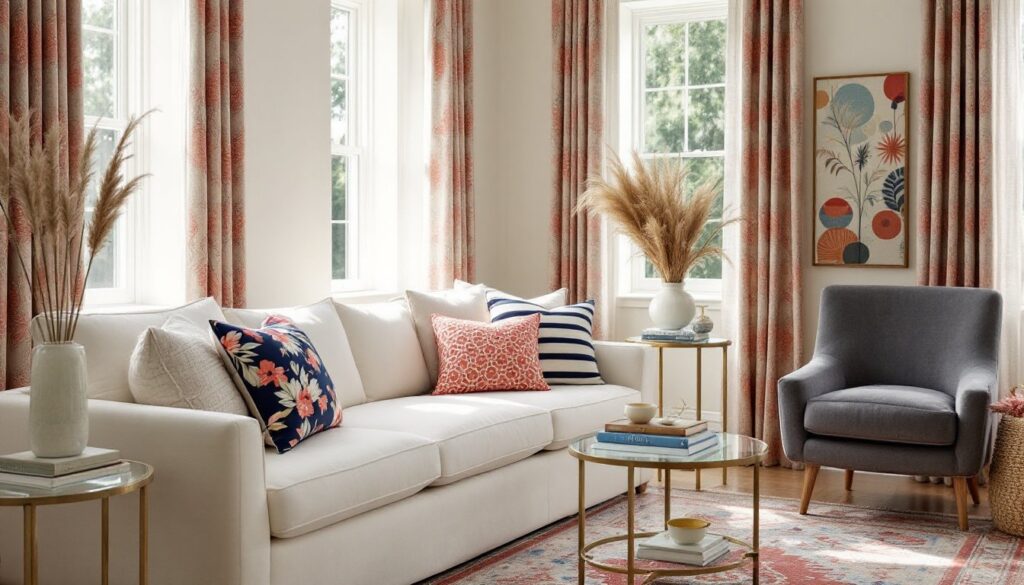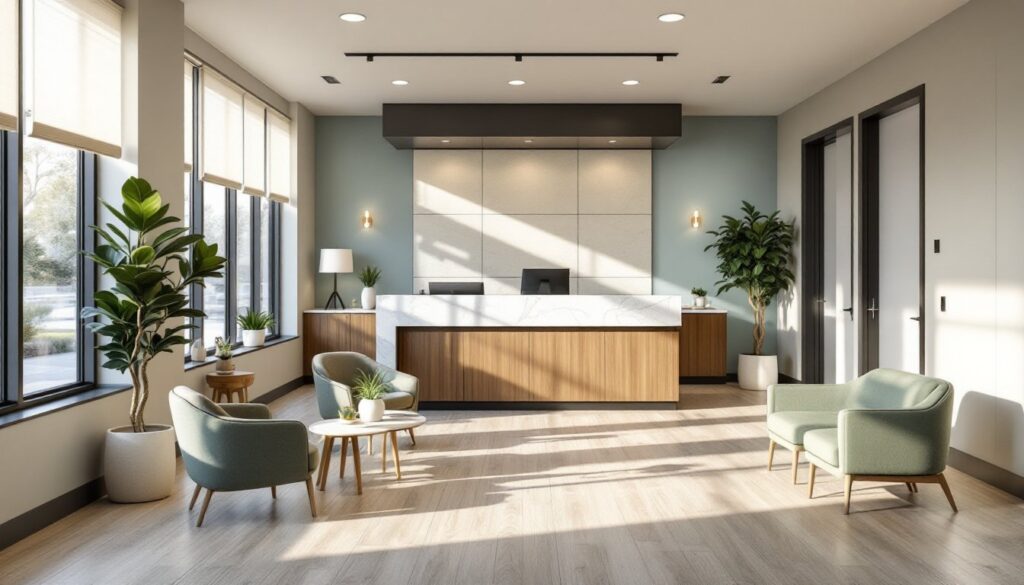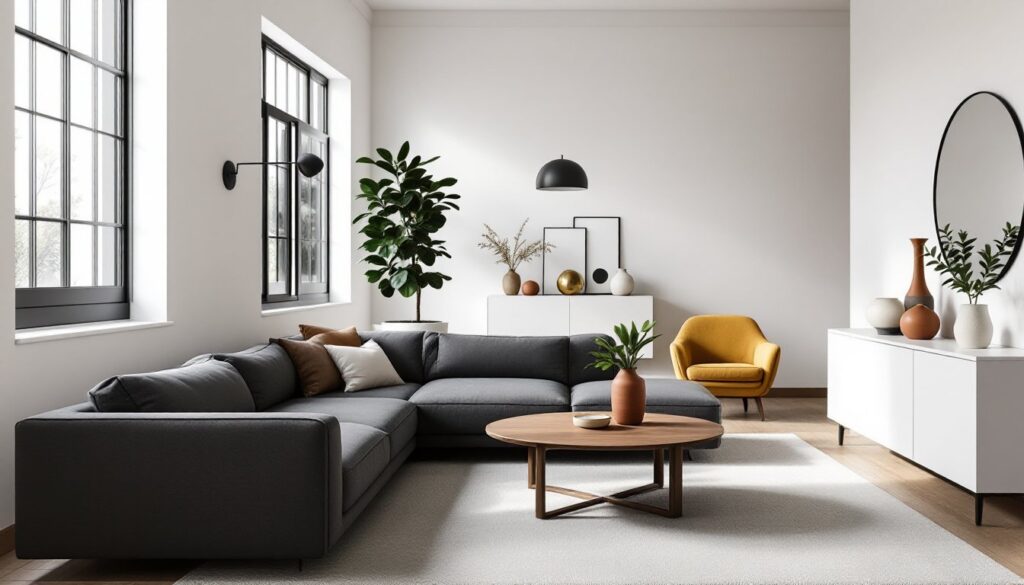
Most DIYers obsess over color swatches and furniture placement. But if you’ve ever walked into a room that felt “off” even though a killer paint job and decent layout, you were probably picking up on clashing shapes. Shape in interior design, the contours and silhouettes of every object in a space, quietly dictates whether a room feels restful or chaotic, modern or traditional, cramped or expansive. Architects and designers manipulate shape to control visual flow and mood. Homeowners who understand this principle can turn a generic builder-grade room into something purposeful and cohesive without blowing the budget.
Table of Contents
ToggleKey Takeaways
- Shape in interior design—the contours and silhouettes of every object—quietly controls whether a room feels restful or chaotic, making it a critical but often overlooked design element.
- The three primary shape categories—geometric (orderly and modern), organic (natural and flowing), and their balance—help you diagnose visual tension and fix design problems with surgical precision.
- Apply the 70/30 rule by making roughly 70% of your space one shape family and 30% contrast; this ratio creates cohesive, balanced interiors without monotony.
- Swapping a single piece (like replacing a boxy coffee table with an oval one) or adding a round mirror above a rectangular console can instantly resolve shape clashing without repainting or refinishing.
- Shape is a shorthand for design style—modern spaces favor clean geometric forms, traditional styles embrace ornamental curves, and mid-century modern blends both for approachable sophistication.
- Avoid common mistakes like filling a room with only one shape family, clashing style signals, oversized pieces in small spaces, and trend-chasing without considering your home’s existing bones and architectural features.
What Is Shape in Interior Design and Why Does It Matter?
Shape refers to the two-dimensional outline or three-dimensional form of every element in a room: furniture, architectural features, decor, and even negative space. It’s distinct from color, texture, and material, though all four work together. A square dining table and a round one occupy similar square footage, but they read completely differently.
Shape influences psychology. Angular forms with hard edges feel structured, formal, or energetic. Curved and irregular shapes soften a space and introduce calm. When shapes clash, say, a mid-century modern sofa (clean-lined rectangles) surrounded by ultra-ornate Victorian side tables (curves and flourishes), the eye struggles to settle.
For homeowners, shape is the cheapest design lever to pull. You don’t need to repaint or refinish floors. Swapping a boxy coffee table for an oval one, or adding a round mirror above a rectangular console, can resolve visual tension instantly. Understanding shape lets you diagnose why a room feels wrong and fix it with surgical precision.
The Three Primary Shape Categories in Interior Spaces
Designers break shapes into three categories. Recognizing them helps you audit your own space and spot imbalances.
Geometric Shapes: Creating Order and Modern Appeal
Geometric shapes are mathematically precise: squares, rectangles, circles, triangles, hexagons. They’re the backbone of most furniture and architectural elements, think doorways, windows, cabinetry, and standard upholstered pieces.
Rectangular forms dominate modern and contemporary interiors. A sectional sofa, a grid of subway tile, or a rectangular area rug all reinforce a clean, orderly vibe. Triangular shapes appear in pitched rooflines, A-frame shelving, or decorative accents: they add energy and upward movement. Circles and spheres, pendant lights, round dining tables, drum shades, soften hard-edged rooms and encourage conversation by eliminating visual “corners.”
Too many geometric shapes in one space can feel cold or institutional. A room full of right angles needs relief. That’s where designers layer in texture and material variety or introduce the next category.
Organic Shapes: Bringing Natural Flow Indoors
Organic shapes mimic nature: irregular, asymmetrical, flowing. Think river rocks, tree branches, cloud-like blobby mirrors, or a live-edge walnut slab table. These forms are unpredictable and comfortable, no hard corners, no imposed symmetry.
Organic shapes are essential for preventing sterile, overly controlled interiors. A kidney-shaped coffee table or an amorphous ceramic vase breaks up the grid. Adding live plants introduces organic silhouettes naturally (fiddle-leaf figs, monstera, trailing pothos all contribute flowing, unpredictable lines). The organic design movement embraces these forms to create serene, nature-connected spaces.
Challenges: Organic shapes can feel too casual or bohemian if overused. Balance is critical, pair a sculptural, curvy lounge chair with a geometric side table to keep both elements readable.
How to Use Shape to Define Your Room’s Style and Mood
Shape is a shorthand signal for design style. Once you decode it, you can replicate or remix aesthetics intentionally.
Modern and minimalist interiors lean heavily on clean geometric forms: low-profile rectangular sofas, square or round dining tables, linear shelving. Avoid fussy details or compound curves. Materials like steel, glass, and concrete amplify geometric simplicity.
Traditional and classic styles embrace ornamental shapes: arched doorways, scalloped upholstery, cabriole furniture legs (those S-curved Queen Anne legs), and decorative molding. Curved shapes soften formality without sacrificing elegance.
Industrial spaces favor raw geometric forms, exposed steel I-beams, rectangular metal shelving units, boxy pendant lights, but throw in organic textures (reclaimed wood, rough concrete) to prevent coldness.
Mid-century modern blends both: tapered furniture legs and rounded chair backs (organic) anchored by geometric credenzas and square cushions. This 60/40 mix of geometric and organic creates approachable sophistication.
Mood follows shape density. Rooms packed with complex shapes (ornate furniture, layered decor) feel lively or busy. Rooms dominated by simple shapes feel calm or, if overdone, sterile. A bedroom benefits from softer shapes and fewer angles: a home office can handle more structure. Design strategies focused on rhythm also use shape repetition to guide the eye and reinforce mood.
Homeowners tackling a reno or refresh should audit existing shapes before buying new pieces. Does the room skew 90% rectangular? Add a round mirror, an arched floor lamp, or a curvy accent chair. Already heavy on organic shapes? Anchor with a geometric rug or streamlined console.
Practical Tips for Balancing Shapes Throughout Your Home
Balanced shape distribution prevents visual fatigue. Here’s how to apply it room by room.
Start with the largest pieces first. Your sofa, dining table, bed frame, and cabinetry establish the dominant shape language. If those are all hard-edged rectangles, plan to soften with organic or circular accents.
Follow the 70/30 rule. Aim for roughly 70% of one shape family (geometric or organic) and 30% contrast. A living room might be 70% geometric (sofa, media console, rectangular rug) and 30% organic (round coffee table, potted plants, curved throw pillows). This ratio feels cohesive but not monotonous.
Use rugs and lighting to shift shape perception. A round rug under a rectangular dining table bridges categories. Spherical pendant lights or dome-shaped table lamps soften angular furniture. Conversely, a geometric chandelier tightens up a room full of flowing fabrics.
Vertical vs. horizontal shapes affect ceiling height perception. Tall, narrow bookcases or vertical paneling draw the eye up, making a room feel taller. Low-slung furniture and horizontal lines (picture rails, long credenzas) emphasize width. According to design resources like Homedit, using contrasting shapes in furniture groupings prevents rooms from feeling one-dimensional.
Match architectural features when possible. If your home has arched doorways or rounded corners, echo those curves in furniture and decor. Square-grid windows pair well with geometric artwork and shelving.
Layer smaller shapes in threes. Groupings of three objects (vases, pillows, art pieces) with varied shapes, one round, one rectangular, one organic, create visual interest without clutter. Odd-number groupings feel more natural than pairs.
Don’t forget negative space. The empty areas around furniture have shape too. A sectional pushed into a corner creates a large, angular negative space in the center of the room. Shifting it away from walls forms a more organic flow path. For more actionable design principles, consider how furniture placement defines both positive and negative shapes.
Common Shape Design Mistakes to Avoid
Even experienced DIYers stumble on shape. Here are the usual traps.
Mistake 1: All shapes from one family. A room with nothing but rectangles (sofa, rug, coffee table, wall art, TV stand) feels like a shoebox. Break it up. Swap one piece for a contrasting shape or add circular decor.
Mistake 2: Clashing style signals. Mixing a geometric mid-century credenza with an ultra-ornate baroque mirror sends mixed messages. If you’re blending styles, make sure there’s a unifying thread, similar wood tones, consistent scale, or rhythmic repetition of one shape type.
Mistake 3: Oversized round tables in small square rooms. Round dining tables are great for conversation, but in a narrow room they waste corner space and disrupt traffic flow. Rectangular or oval tables fit tighter footprints better.
Mistake 4: Ignoring architectural limitations. Builders often install rectangular windows, standard door casings, and drywall corners at 90 degrees. Fighting that with only organic shapes creates tension. Embrace the geometry, then layer in curves as accents. As noted by MyDomaine, working with, not against, your home’s bones yields more cohesive results.
Mistake 5: Forgetting about sight lines. Shape affects how you move through a space. A round ottoman in a narrow hallway creates an awkward obstacle. A long, low bench works better. Walk your planned layout before committing.
Mistake 6: Trend-chasing without context. Organic, blob-shaped mirrors and curvy sofas are trendy (as of 2026, per House Beautiful), but if your home skews traditional or your existing furniture is boxy, one trendy piece will look dropped in. Build a shape strategy first, then shop.
If you’re planning a larger redesign or presenting ideas to a contractor or designer, tools like rendering software let you visualize shape balance before spending a dime. For formal projects, a well-structured design proposal ensures shape decisions align with budget and scope.
Final thought: Shape isn’t fussy theory, it’s a practical diagnostic. Next time a room feels off, ignore the paint color and examine the silhouettes. Odds are, adding or subtracting one key shape will solve the problem faster than a full furniture overhaul.