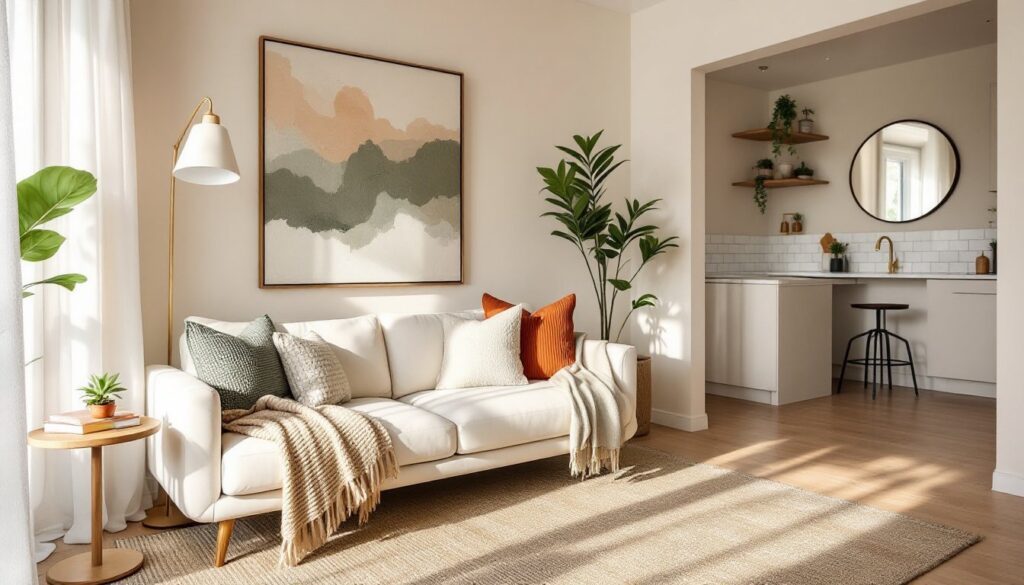
Turning a vacant property into a profitable Airbnb isn’t just about location and amenities. The difference between a booked-out calendar and crickets often comes down to interior design. Guests scroll through hundreds of listings, making snap judgments based on photos and first impressions. A well-designed space doesn’t just look good in pictures, it creates a memorable experience that earns glowing reviews and repeat bookings. Whether starting from scratch or refreshing an existing rental, smart design choices can transform an average listing into a guest magnet that commands premium rates and stays competitive in a crowded market.
Table of Contents
ToggleKey Takeaways
- Professional Airbnb interior design directly impacts booking rates and nightly rates, with well-designed properties commanding 20–30% premium pricing compared to bare-bones rentals.
- Choose durable, commercial-grade materials like performance fabrics rated for at least 30,000 double rubs to withstand heavy guest rotation and reduce maintenance costs between bookings.
- Neutral wall colors paired with layered textiles, multiple light sources, and clear furniture flow create spaces that appeal broadly while maximizing both guest comfort and photographic appeal.
- Budget-friendly high-impact updates like fresh paint, hardware swaps, quality bedding, and strategic art placement deliver measurable returns without requiring large renovation investments.
- Functional design elements—dedicated work areas, well-stocked kitchens, adequate bathroom storage, and quality mattresses—directly influence positive guest reviews and repeat bookings.
Why Interior Design Makes or Breaks Your Airbnb Success
First impressions happen in the first three seconds a potential guest views a listing. Professional-quality photos of a thoughtfully designed space trigger immediate emotional responses, guests can picture themselves there. Poor design, on the other hand, signals neglect and sends browsers straight to the next listing.
Reviews consistently mention specific design elements. Guests notice whether the bed feels like a hotel upgrade, if there’s adequate lighting for reading, or whether the kitchen is stocked with basics. A cohesive design builds trust before guests even arrive.
Investment in design also correlates directly with nightly rates. Well-designed Airbnbs in similar neighborhoods can charge 20-30% more than bare-bones rentals. The return on investment isn’t just about bookings, it’s about attracting respectful guests who appreciate the space and treat it accordingly. Properties that feel thoughtfully curated tend to attract a different caliber of renter than those that look like college dorm rooms.
Beyond aesthetics, design impacts operational efficiency. Durable, easy-to-clean materials and smart furniture placement reduce maintenance headaches between bookings. Guests who feel comfortable in a space are less likely to cause accidental damage or file complaints.
Essential Design Principles for High-Performing Airbnb Spaces
Durability trumps trends. Unlike a primary residence, Airbnb interiors face heavy rotation. Choose commercial-grade upholstery fabrics rated for at least 30,000 double rubs (the Wyzenbeek test standard). Stain-resistant treatments and performance fabrics like Crypton or Sunbrella hold up better than delicate linens or velvets.
Neutral foundations with layered interest work best. Paint walls in warm neutrals, Sherwin-Williams Accessible Beige or Benjamin Moore Revere Pewter are safe bets, then add personality through textiles, art, and accent pieces. This approach appeals to broad audiences while avoiding the sterile feel of budget hotels. Incorporating textured throws and pillows adds depth without overwhelming the space.
Lighting makes or breaks ambiance. Install multiple light sources in each room: overhead fixtures for general illumination, task lighting for reading or cooking, and accent lighting to create mood. Dimmer switches cost $15-25 installed and let guests customize brightness. Avoid harsh fluorescent bulbs, stick with warm LED bulbs (2700-3000K) that mimic incandescent warmth.
Clear sightlines and flow matter. Furniture should define zones without blocking pathways. Leave at least 36 inches of clearance around beds and in hallways. In smaller spaces, wall-mounted nightstands and floating shelves preserve floor space. Guests shouldn’t have to shimmy sideways to reach the bathroom at 2 a.m.
Safety and code compliance aren’t optional. Ensure smoke detectors and carbon monoxide alarms meet local requirements. If adding or modifying electrical outlets for bedside USB charging, consult an electrician to ensure compliance with NEC standards. Anchor top-heavy furniture like dressers and bookshelves to studs to prevent tip-overs, especially critical if marketing to families.
Choosing a Design Style That Appeals to Your Target Guests
Location and guest demographics should drive style choices. A downtown loft attracts different travelers than a mountain cabin. Research top-performing listings in the area, not to copy them, but to understand what resonates locally.
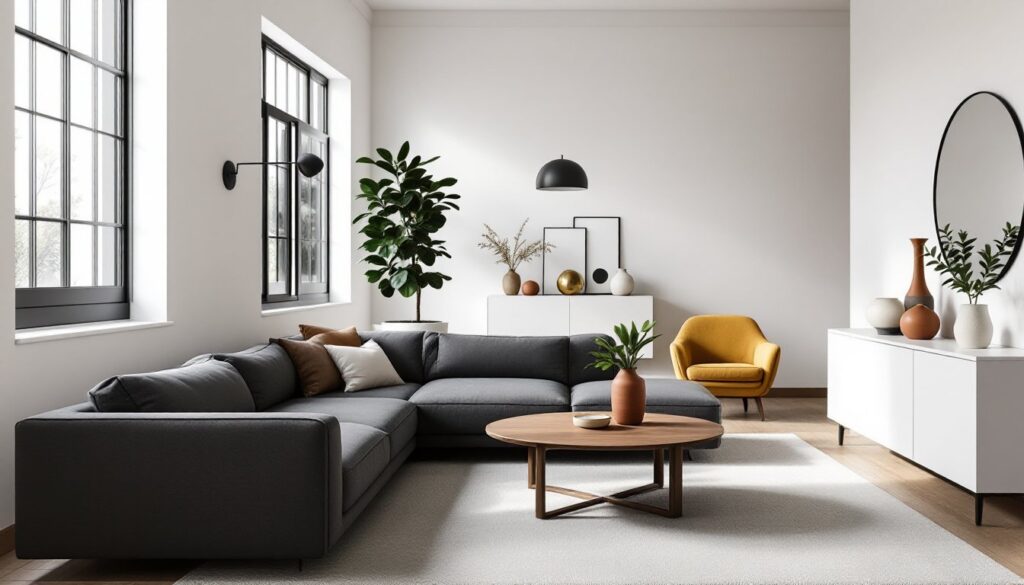
Modern minimalist works well for urban properties targeting business travelers and young professionals. Think clean lines, monochromatic palettes with one accent color, and streamlined furniture. Keep surfaces clear and functional. Guests appreciate the uncluttered aesthetic, especially for shorter stays.
Coastal casual suits beach towns and lakefront properties. Whites, blues, and natural textures like jute and driftwood create a relaxed vibe. Avoid literal seashell clichés, subtlety works better than theme-park execution. Natural materials align with principles of organic design that many travelers find calming.
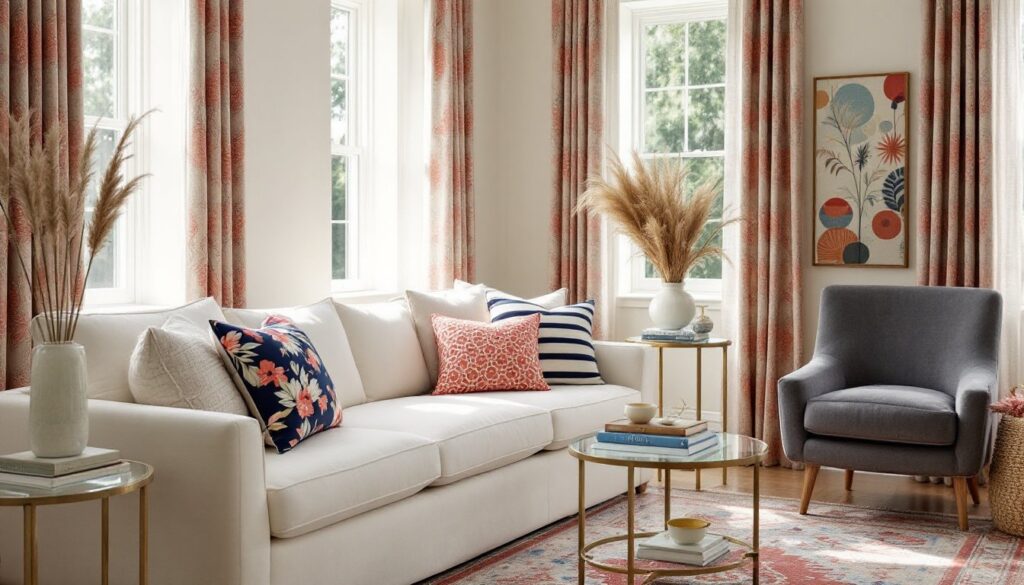
Warm eclectic balances broad appeal with personality. Mix vintage finds with modern pieces, layer patterns in similar color families, and incorporate global textiles. This style photographs exceptionally well and creates a “curated” look without requiring a design degree. Platforms like Apartment Therapy showcase how mixing eras and styles can create cohesive spaces.
Industrial chic fits converted warehouse spaces and loft apartments. Exposed brick, metal accents, and Edison bulb fixtures pair well with leather furniture and reclaimed wood. Be careful not to let it feel cold, add soft textiles and warm lighting to balance hard surfaces.
Whatever style chosen, commit to it. A confused mishmash of styles reads as careless rather than eclectic. Every piece should feel intentional, even if it came from a thrift store.
Budget-Friendly Decor Updates That Deliver Maximum Impact
Paint is the highest-ROI update. A gallon of quality interior paint covers approximately 350-400 square feet and costs $30-60. A fresh coat in a modern neutral instantly updates dated spaces. For accent walls, use a shade two steps darker on the same paint strip for cohesion.
Swap out hardware and fixtures. Replacing builder-grade cabinet pulls with modern brass or matte black hardware takes 20 minutes and costs $3-8 per pull. Light fixtures have similar impact, a $75 pendant lamp updates a dining area more dramatically than most furniture changes. These updates follow the same principle as thoughtful interior design tips that focus on high-impact, low-cost changes.
Upgrade bedding and towels. Guests notice sheets and towels immediately. Invest in 300-thread-count cotton sateen sheets in white or light neutral, they feel luxurious, hide stains better than dark colors, and simplify laundry. Budget $50-80 per bed for quality basics. White towels in 600-650 GSM (grams per square meter) feel plush without breaking the budget at $8-12 each.
Layer rugs over existing flooring. Area rugs define spaces, add warmth, and protect floors. A 5×7-foot or 8×10-foot washable rug costs $80-200 and transforms a room. Avoid shag or high-pile rugs, they’re magnets for crumbs and difficult to vacuum between bookings.
Art and mirrors expand spaces visually. Large-scale art (30×40 inches or bigger) makes stronger impact than gallery walls of small prints. Websites like MyDomaine offer inspiration for creating focal points with affordable art. Hang artwork so the center sits at 57-60 inches from the floor, standard gallery height. Oversized mirrors bounce light and make small rooms feel larger, place opposite windows for maximum effect.
Creating Functional Spaces That Guests Actually Use
Work-from-anywhere setups are non-negotiable. Many guests now expect dedicated workspace. Provide a desk or console table with a comfortable chair, task lighting, and nearby outlets. If space is tight, a wall-mounted fold-down desk provides functionality without eating floor space. Cable management clips keep charging cords tidy and accessible.
Kitchen functionality drives reviews. Stock essentials: a sharp chef’s knife, cutting board, mixing bowls, measuring cups, wine opener, and coffee maker with supplies. Include basics like salt, pepper, olive oil, and coffee filters, small touches that earn disproportionate gratitude. Label cabinets if storage isn’t intuitive. Proper organization creates visual rhythm that helps guests navigate the space effortlessly.
Bathroom storage prevents clutter. Even small bathrooms need hooks, shelves, or a small cabinet for toiletries. Guests shouldn’t have to leave cosmetics on the toilet tank. Provide a hairdryer, extra toilet paper, and basic toiletries. A tension-mounted corner shelf adds storage without drilling into tile.
Sleeping comfort is the priority. Invest in a quality mattress, this isn’t the place to cut corners. A medium-firm mattress suits most sleepers. Provide at least four pillows per bed with varying firmness. Blackout curtains or cellular shades allow guests to sleep past sunrise. A bedside table with lamp and charging station should flank each side of the bed.
Outdoor spaces extend usable square footage. A small bistro set on a balcony or patio creates an additional “room.” Add string lights, outdoor cushions, and potted plants. Guests appreciate outdoor dining options, even in compact urban settings. Ensure furniture can withstand weather, powder-coated aluminum or teak hold up better than wicker.
Photography-Ready Details That Boost Your Listing Views
Styling for photos differs from everyday living. Remove about 30% of what feels right in person, cameras amplify clutter. Clear kitchen counters completely except for one or two decorative items. Nightstands should hold only a lamp and small plant or book.
Symmetry photographs beautifully. Center beds on walls, flank with matching nightstands and lamps, and arrange pillows identically. This formal balance reads as high-end in photos. The same goes for dining areas, centered pendant lights and evenly spaced chairs create visual harmony.
Add life with fresh greenery. Real plants photograph better than artificial, but require maintenance between guests. Low-maintenance options like pothos, snake plants, and ZZ plants tolerate neglect. Place one large plant in a corner or group three small ones on a shelf. Alternatively, high-quality faux stems in vases work if they look convincing, avoid obvious plastic.
Textiles create texture and color. Layer throw blankets over sofa arms, add lumbar pillows to beds, and place a runner on the dining table. These soft elements photograph well and add visual interest. Stick to 2-3 coordinating colors to avoid chaos. Design experts on Homedit consistently emphasize how textiles transform flat spaces in photos.
Lighting for photos requires planning. Shoot during golden hour (late morning or early afternoon) when natural light is soft. Turn on all lamps and overhead lights, layered lighting eliminates harsh shadows. Open all curtains and blinds. If hiring a photographer, it’s worth the $150-300 investment, professional photos increase booking rates measurably.
Declutter ruthlessly before shoots. No cords, no personal items, no visible trash cans. Tuck away small appliances, toilet brushes, and cleaning supplies. Each photo should look intentional and magazine-ready without being sterile.
Conclusion
Successful Airbnb interior design balances aesthetics with durability, broad appeal with personality, and style with function. Guests don’t expect perfection, but they do notice thoughtfulness. Strategic updates, quality bedding, cohesive color palettes, proper lighting, and functional layouts, create spaces that photograph well, earn positive reviews, and command higher rates. The goal isn’t to impress design critics but to make guests feel welcomed and comfortable enough to leave five stars and return next year.