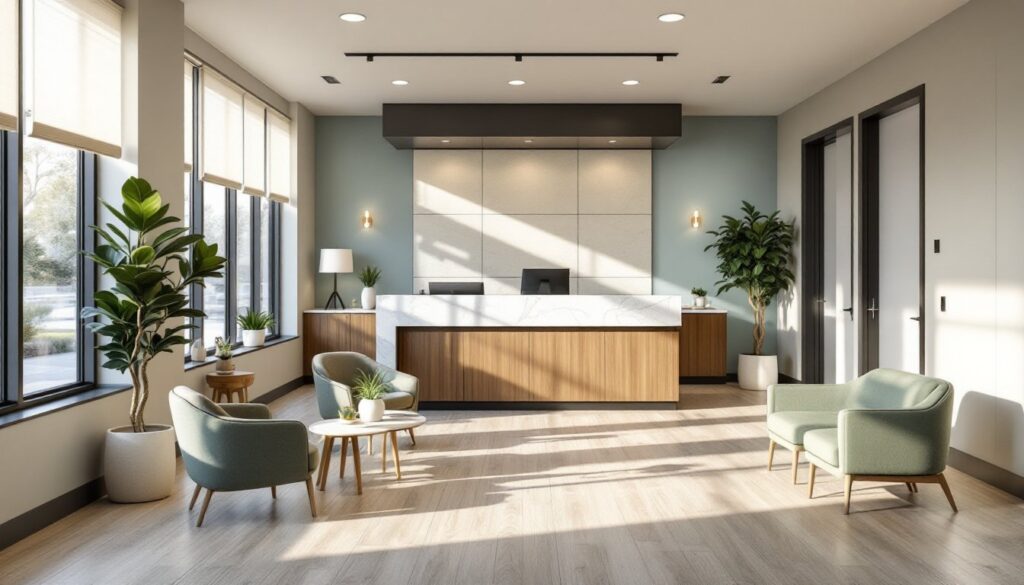
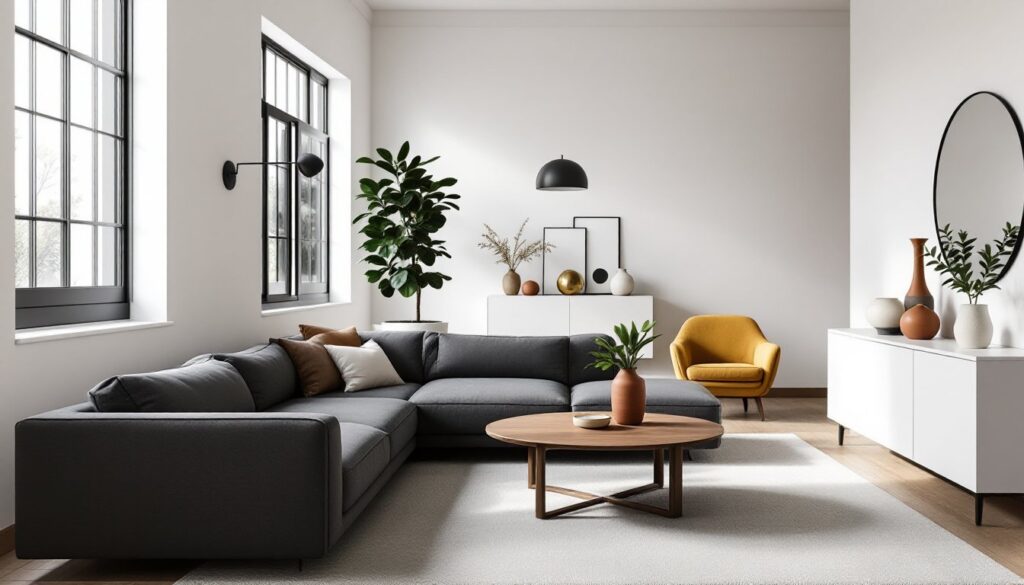
Basements get a bad reputation, dark, cold, forgotten dumping grounds for holiday decorations and old paint cans. But with the right approach, that underutilized square footage can become the most valuable real estate in the house. Whether it’s a theater room, home office, or extra living space, basements offer blank-canvas potential that upper floors can’t match. The catch? Underground spaces come with their own set of challenges: low ceilings, limited natural light, potential moisture issues, and foundation walls that won’t budge. Tackle those constraints head-on with strategic design choices, and a basement transforms from afterthought to showpiece.
Table of Contents
ToggleKey Takeaways
- Basement interior design transforms underutilized space into valuable living area by addressing structural constraints like low ceilings, moisture, and limited natural light through strategic planning.
- Layered lighting with recessed can lights, task lighting, and dimmers is essential since basements rely entirely on artificial light; use warm-to-neutral 3000K–4000K LED bulbs and avoid single overhead fixtures.
- Light, neutral paint colors like whites, off-whites, and light grays maximize reflection and perceived brightness in low-light basement spaces, paired with satin or eggshell finishes for better light bounce.
- Luxury vinyl plank (LVP) flooring is the ideal choice for basements due to waterproof properties, floating installation, and durability over concrete, while laminate should be avoided entirely.
- Basement design must prioritize moisture control, egress requirements for bedroom spaces (5.7 sq ft window opening), and early zone planning around immovable elements like support columns and HVAC systems.
- Room-specific designs succeed when tailored to function—home theaters benefit from dark, acoustic-treated spaces with blackout control, while home offices require robust electrical planning, natural light access, and sound isolation.
Planning Your Basement Design: Layout and Functionality First
Before picking paint colors or shopping for furniture, map out how the space will actually function. Basements rarely offer the open-floor luxury of main levels, there are support columns, HVAC ducts, electrical panels, and sump pumps to work around.
Start by identifying non-negotiables: structural posts can’t be removed without an engineer’s stamp and a substantial budget. Same goes for main drain lines and furnace access. Mark these on a rough floor plan, then divide the remaining space by use. A dedicated zone approach works best, theater area in one corner, bar or kitchenette along a wall with plumbing access, office space near a window well if possible.
Ceiling height dictates a lot. If joists sit below 7 feet, check local building codes before finishing, many jurisdictions require minimum ceiling heights for habitable rooms (typically 7 feet under IRC, but verify locally). Rooms below that threshold can still function as storage, utility, or recreational spaces, just not legal bedrooms.
Consider access and egress early. Basements used as living spaces often require an egress window per code, typically a minimum net clear opening of 5.7 square feet, with specific height and width minimums. If the basement will include a bedroom, this isn’t optional: it’s a life-safety requirement. Window wells need to be sized accordingly, and installation means cutting foundation, not a DIY job for most homeowners.
Moisture control comes first, always. If the basement has a history of dampness, no amount of design will fix it. Address foundation cracks, improve exterior grading, install or repair perimeter drains, and consider a dehumidifier rated for the square footage (typically 50–70 pints/day for a 1,500 sq ft basement). Applying layered textures won’t help if water’s seeping through the walls.
Lighting Solutions to Brighten Your Basement
Basements lose the natural light battle before it starts. Small window wells and subterranean walls mean artificial lighting does the heavy lifting, and it needs to be layered, intentional, and plentiful.
Start with recessed can lights on the ceiling, they’re low-profile, work around ductwork, and provide general ambient lighting. Spacing them roughly 4–6 feet apart in a grid pattern avoids dark pockets. Use LED bulbs in the 3000K–4000K range (warm to neutral white) to mimic daylight without the sterile feel of cool white.
Task lighting matters in functional zones. Install under-cabinet LED strips in a kitchenette or bar area, a dedicated desk lamp for a home office, or sconces flanking a media console. Don’t rely on overhead lighting alone, it flattens the space and creates harsh shadows.
If the basement has window wells, maximize them. Enlarge existing wells if feasible, or add reflective window well liners (galvanized steel or white polymer) to bounce more light inside. Keep landscaping trimmed back outside to avoid blocking precious daylight.
For basements with low ceilings (under 7.5 feet), skip chandeliers and pendants. Flush-mount or semi-flush fixtures keep headroom clear. Track lighting offers flexibility to aim light where needed without dropping fixtures into the sightline.
Dimmers are non-negotiable. A basement home theater needs blackout-level control: a family room benefits from adjustable ambiance. Install dimmer switches compatible with LED bulbs (not all dimmers work with LEDs, and mismatched pairs cause flickering).
Consider color temperature consistency. Mixing 2700K bulbs in one fixture and 5000K in another creates a disjointed, unfinished look. Stick to one temperature range throughout connecting spaces.
Color Schemes and Paint Choices for Low-Light Spaces
Dark basements and dark paint don’t mix, unless the goal is a cave. Light, neutral walls reflect what little natural light exists and amplify artificial sources.
Whites and off-whites remain the safest bet: Benjamin Moore’s Simply White or Sherwin-Williams’ Alabaster are warm neutrals that don’t skew sterile. Cooler whites like Chantilly Lace work if the basement runs warm-toned in flooring and furniture, but test samples first. Paint looks different under artificial light than it does upstairs under windows.
Light grays add sophistication without sacrificing brightness, Repose Gray or Agreeable Gray from Sherwin-Williams are popular for a reason. They offer enough color to avoid the “white box” effect while staying in the reflective range.
Avoid dark accent walls unless the room is large and well-lit. A navy or charcoal wall can anchor a home theater, but in a small basement with one window well, it’ll shrink the space visually. If color is non-negotiable, use it sparingly: a single wall, built-in shelving, or trim.
Paint sheen matters more than homeowners expect. Eggshell or satin finishes work best for basement walls, they’re washable (important in high-traffic or kid-friendly zones) and reflect more light than flat paint. Flat paint hides imperfections better, but basements need every lumen they can bounce around. Reserve flat finishes for ceilings to minimize overhead texture visibility.
Ceiling color is strategic. Painting ceilings white or a shade lighter than walls increases perceived height. If ductwork and joists are exposed, painting everything one color (including mechanicals) in a dark tone can create an industrial look, but it requires commitment, half-finished exposed ceilings just look unfinished. Many popular basement designs lean on crisp white ceilings to maximize height perception.
Primer is mandatory. Concrete and drywall in basements can harbor moisture, stains, or odors. Use a stain-blocking primer like Zinsser B-I-N or Kilz before topcoats to prevent bleed-through and improve adhesion.
Flooring Options That Balance Style and Practicality
Basement flooring takes abuse that upper floors don’t, temperature swings, potential moisture, concrete subfloors. Choose materials that can handle it without sacrificing design.
Luxury vinyl plank (LVP) is the workhorse choice. It’s waterproof, installs as a floating floor over concrete (no glue, no nails), and mimics hardwood convincingly. Look for LVP rated 20-mil wear layer or thicker for durability in high-traffic areas. Brands like CoreTec and LifeProof offer rigid core options that resist dents and temperature shifts.
Engineered hardwood can work if moisture is under control, never in basements with any dampness history. It’s more stable than solid hardwood (which will warp on concrete), but still requires a vapor barrier underlayment and a dehumidifier to maintain 30–50% relative humidity.
Carpet tiles offer comfort and sound dampening (critical in basements below living spaces). Unlike broadloom carpet, tiles can be replaced individually if stained or damaged. Choose tiles with moisture-resistant backing and avoid padding that holds water. Carpet tiles work well in home theaters or playrooms but skip them in basement bars or kitchenettes where spills are guaranteed.
Polished concrete makes sense for modern, industrial aesthetics. It’s waterproof, durable, and low-maintenance, but cold underfoot. Radiant floor heating solves that, but adds cost and complexity. If polishing existing concrete, repair cracks first and expect to seal the surface every few years.
Porcelain or ceramic tile is waterproof and tough, ideal for basement bathrooms, wet bars, or laundry areas. Large-format tiles (12×24 or bigger) reduce grout lines and speed installation. Use a crack-isolation membrane under tile if the concrete slab is prone to movement, it prevents tile from cracking when the foundation shifts slightly.
Avoid laminate flooring. It looks like wood, costs less than LVP, but swells and delaminates if it gets wet. Basements and laminate don’t mix.
Whatever the choice, install a subfloor or underlayment over bare concrete. Products like DRIcore or Barricade provide a moisture barrier, thermal break, and cushion. They’re especially important if the basement sees seasonal temperature swings or sits in a high water table area. Contemporary designs increasingly favor LVP in basement remodels for its balance of aesthetics and resilience.
Creative Basement Design Ideas by Room Type
Function shapes design. A home theater has different priorities than a guest suite or workshop. Here’s how to tailor basements by use case.
Home Theater and Entertainment Spaces
Basements were built for theaters, low natural light is an advantage, not a liability. Start with light control: blackout curtains over window wells or, better yet, motorized blackout shades. Paint walls a dark, matte color to reduce glare: charcoal, deep navy, or black work well. Ceiling should stay dark to avoid reflections on the screen.
Acoustic treatment makes or breaks the experience. Drywall over studs already provides some sound isolation, but adding Roxul Safe’n’Sound insulation in wall cavities (if walls aren’t finished yet) dramatically cuts sound bleed to upper floors. Acoustic panels on walls or a drop ceiling with acoustic ceiling tiles absorb echoes inside the room.
Seating layout matters. Tiered seating platforms (built from 2×10 or 2×12 framing topped with plywood and carpet) give everyone a clear sightline. If the ceiling height allows it, a riser of 8–12 inches for the back row works well. Wire for power and USB ports at each seat, no one wants extension cords snaking across the floor.
Skip the traditional couch unless space is tight. Dedicated home theater recliners with cup holders and storage are worth the investment if this room sees regular use. Position seating 1.5 to 2.5 times the screen diagonal away from the screen for optimal viewing.
For broader entertainment zones (game rooms, bars), industrial or modern farmhouse aesthetics work well. Exposed ductwork painted black, open shelving with metal brackets, pendant lighting over a bar top, and mixed materials add character without fussy decor. Install a wet bar along a wall with existing plumbing access to avoid costly drain and supply line runs across the slab.
Home Office or Study Retreats
Basements can deliver the quiet, focused environment that main-floor offices can’t. Prioritize natural light if any exists, position the desk near a window well and consider enlarging it or adding an egress window for code compliance and better daylight.
Electrical planning is critical. Home offices need more outlets than typical rooms: desk area (computer, monitor, charging), task lighting, and auxiliary equipment (printer, scanner). Install at least two 20-amp circuits for office areas to avoid tripping breakers. Surface-mounted raceways work if adding in-wall outlets isn’t feasible, but plan for them early.
Sound isolation helps focus. If the office sits below a kitchen or family room, expect footfall noise. Resilient channel or sound-dampening drywall on the ceiling reduces impact noise transmission. Carpeting or thick area rugs over LVP also deaden sound within the room.
Storage and built-ins make small basement offices functional. Floor-to-ceiling shelving, a wall-mounted desk to save floor space, or a Murphy bed combo (if the office occasionally doubles as a guest room) maximize tight layouts. Many basement remodeling galleries showcase custom built-ins as space-savers.
Color-wise, stick to light, neutral tones to keep the space from feeling claustrophobic. Add personality through artwork, a bold desk chair, or accent shelving rather than dark wall colors that close in the room. Using design rendering tools helps visualize layout options before committing to built-ins or permanent furniture.