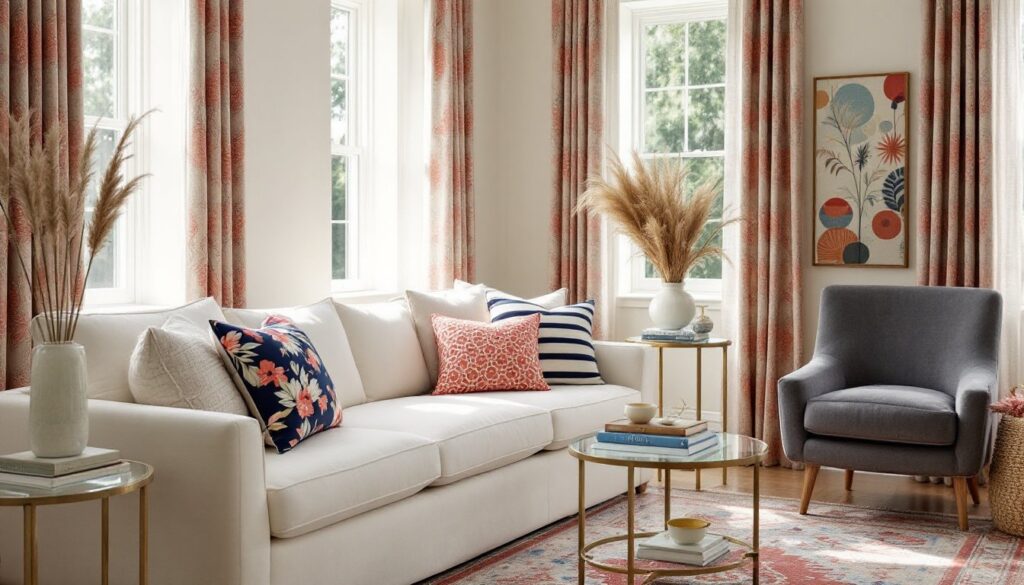
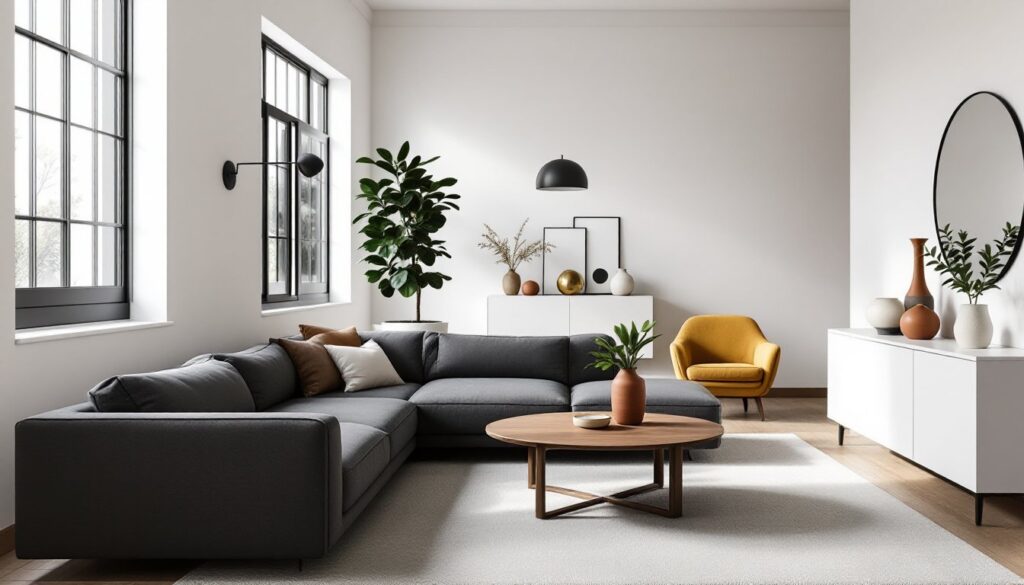
British Colonial interior design blends the formality of European tradition with the exotic textures, materials, and motifs of tropical colonies. It emerged from 19th-century British expatriates who adapted their homes in India, Africa, Southeast Asia, and the Caribbean to the climate while maintaining a sense of refined comfort. The style balances practicality with elegance, think high ceilings, cross-ventilation, natural fibers, and rich woods paired with crisp linens and leather. It’s not stuffy or museum-like: it’s a lived-in style that feels collected, worldly, and comfortable. For homeowners looking to add character and warmth without trending toward the generic, British Colonial offers a grounded aesthetic rooted in craftsmanship and natural materials.
Table of Contents
ToggleKey Takeaways
- British Colonial interior design merges formal European traditions with exotic tropical materials and motifs, prioritizing comfort, airflow, and natural craftsmanship over trend-driven aesthetics.
- Define the style through natural materials like mahogany, teak, rattan, and breathable linens paired with architectural details such as crown molding, wainscoting, and ceiling fans to establish authentic character.
- Build a British Colonial color palette with neutral bases (warm whites, creams, beiges) accented by muted earth tones like sage green, olive, and teal sourced from nature-inspired artwork and textiles.
- Incorporate signature furniture pieces intentionally—campaign chests, plantation chairs, four-poster beds, and leather club chairs—choosing one or two statement items rather than committing to a full suite.
- Adapt British Colonial design to modern homes by mixing eras carefully, editing heavy formality for smaller spaces, integrating technology discreetly, and selecting sustainable materials like FSC-certified wood and organic upholstery.
- Curate the aesthetic gradually with layered accessories including vintage maps, botanical prints, brass accents, potted plants, and natural fiber rugs, allowing the space to feel collected and worldly rather than over-designed.
What Is British Colonial Interior Design?
British Colonial design originated during the height of the British Empire, when officials, traders, and settlers established homes in warm-climate regions far from home. These interiors merged traditional English furnishings, dark woods, club chairs, campaign furniture, with local materials like rattan, bamboo, teak, and mahogany.
The style prioritized comfort and airflow. Homes featured wide verandas, shuttered windows, tall ceilings with exposed beams, and ceiling fans (paddle-style or punkah fans) to circulate air before modern HVAC. Furniture was often portable or modular, a carryover from military campaigns where pieces needed to fold, stack, or disassemble.
Unlike coastal or tropical styles, British Colonial leans formal and layered. It incorporates antiques, maps, botanical prints, and artifacts from travel. The palette stays neutral and earthy, avoiding bright pastels or overly beachy motifs. This isn’t a beach cottage, it’s a reading room in Bombay or a plantation house in Jamaica.
Key Characteristics of British Colonial Style
Several defining elements anchor this look and distinguish it from other global or tropical styles.
Natural materials dominate. Wood furniture is typically mahogany, teak, walnut, or rosewood, dense hardwoods that resist humidity and insects. Rattan, wicker, and cane appear in chair seats, headboards, and accent pieces. Flooring is often wide-plank hardwood, stone, or terra cotta tile for cooling.
Architectural details matter. Crown molding, wainscoting, coffered ceilings, and plank shutters add formality. If your home lacks these, consider adding picture rail molding or louvered interior shutters to mimic the look without major structural work. These details frame the design and give it weight.
Textiles layer in comfort. Linen, cotton muslin, and lightweight wool appear in drapes, slipcovers, and bedding. Heavy velvets or brocades are rare. Mosquito netting over beds was functional but adds romantic texture. Look for natural, breathable fabrics in off-white, khaki, or muted stripes.
Functional lighting. Brass or oil-rubbed bronze fixtures, hurricane lanterns, and table lamps with linen shades provide warm, ambient light. Ceiling fans, preferably wood-blade models, are both practical and iconic. A quality paddle fan with four or five blades can be installed with basic electrical skills and a ladder, though a helper is recommended for larger fixtures.
Essential Furniture and Materials
Furniture in British Colonial interiors is solid, functional, and often portable. Campaign furniture, originally designed for military officers on the move, features brass corner brackets, recessed handles, and folding or stackable construction. Campaign chests, folding desks, and director’s chairs fit the aesthetic.
Plantation chairs (also called planters’ chairs or Bombay chairs) have extended armrests designed to support legs at rest. These are statement pieces and can anchor a living room or veranda. Look for solid teak or mahogany frames with cane backs and removable cushions.
Four-poster beds made from carved wood or bamboo, often draped with muslin or linen canopies, define bedrooms. If a full four-poster feels too heavy, opt for a simpler poster bed or add a ceiling-mounted canopy frame over an existing bed.
Rattan and wicker pieces, chairs, side tables, storage trunks, introduce texture without weight. These materials are durable and easy to refinish. Sand lightly and apply a coat of tung oil or polyurethane to refresh older wicker.
Leather upholstery on club chairs or Chesterfield sofas adds richness. Choose top-grain leather in tan, tobacco, or dark brown. It patters well and ages gracefully, especially in climates with moderate humidity.
Color Palettes That Define the Look
British Colonial palettes are restrained and grounded. The base is almost always neutral: warm whites, creams, beiges, taupes, and soft grays. These colors reflect light and heat, a practical choice in tropical climates.
Accent colors come from nature. Sage green, olive, teal, deep navy, and burnt sienna appear in textiles, artwork, and accessories. These aren’t bold pops, they’re muted, earthy tones that feel collected rather than curated.
Wood tones provide depth. Dark mahogany or walnut furniture contrasts against lighter walls and floors. If painting trim, choose a warm white or ivory rather than stark white, which can feel too modern.
When selecting paint, consider sheen. Eggshell or satin finishes work well on walls: they’re durable and easy to clean without the glare of semi-gloss. For trim and molding, semi-gloss in a warm off-white holds up to wear. One gallon of quality paint typically covers 350-400 square feet per coat: plan for two coats on fresh drywall or newly primed surfaces.
Avoid trendy accent walls or high-contrast schemes. The palette should feel cohesive and timeless, not dated in five years.
How to Incorporate British Colonial Design in Your Home
Start with architectural elements that set the stage. Install crown molding or picture rail if your rooms lack detail. Both are manageable DIY projects with a miter saw, finish nailer, and coping saw for inside corners. Primed MDF molding is cost-effective and takes paint well: real wood (poplar or pine) is pricier but easier to stain.
Add louvered shutters to windows. Interior plantation shutters (typically 2½-inch or 3½-inch louvers) control light and privacy while reinforcing the aesthetic. These can be custom-ordered to fit non-standard window sizes or built from shutter kits if you’re comfortable with a table saw and router.
Choose furniture with intention. You don’t need a full suite of campaign pieces. One statement item, a campaign chest as a media console, a plantation chair in a reading nook, anchors the style. Pair it with simpler pieces in complementary materials. A rattan side chair next to a linen sofa works. A glass-and-chrome coffee table doesn’t.
Layer in natural fiber rugs. Jute, sisal, or seagrass rugs ground a room and add texture underfoot. These materials wear well in high-traffic areas but can be rough: layer a softer cotton or wool rug on top if needed. A 9×12 jute rug typically runs $200-$400 depending on weave density.
Incorporate ceiling fans with wooden blades. A 52-inch fan suits rooms up to 225 square feet: larger spaces need 56-60 inch models. Installation requires turning off power at the breaker, mounting a fan-rated electrical box to a ceiling joist (not just drywall), and following NEC guidelines for wiring. If your existing box isn’t rated for fan weight (typically 50-70 lbs), retrofit with a pancake box or ceiling fan brace.
Many homeowners find interior design inspiration helpful when balancing traditional elements with modern functionality.
Decorative Accents and Accessories
Accessories bring authenticity without heavy investment. Focus on vintage maps, botanical prints, and framed pressed botanicals. These can be sourced from antique shops, estate sales, or online. Frame them in simple wood or brass frames, no ornate gilt.
Brass and bronze accents appear in hardware, candlesticks, trays, and frames. Real brass tarnishes and requires polishing with a mild acid (lemon juice works) or a commercial brass cleaner. Lacquered brass resists tarnish but can’t be polished once the coating wears.
Natural textiles like linen throw pillows, cotton blankets, and jute baskets add warmth. Avoid synthetic fabrics: they clash with the organic materials central to the style. Choose solid colors or subtle stripes over busy patterns.
Exotic touches include carved wooden boxes, ceramic ginger jars, rattan trays, or a vintage globe. These should feel collected, not coordinated. Displaying design inspiration from different eras can help curate a layered, authentic look.
Greenery matters. Large potted palms, ferns, or fiddle-leaf figs in woven baskets or ceramic planters reinforce the tropical connection. Real plants improve air quality and add life: if light is limited, choose low-light varieties like snake plants or pothos.
Avoid clutter. British Colonial isn’t maximalist. Each piece should earn its place.
Modern Adaptations: Making British Colonial Work Today
British Colonial doesn’t require a plantation house. It adapts well to modern homes if you focus on materiality and restraint.
Mix eras carefully. Pair vintage or reproduction campaign furniture with clean-lined modern sofas in neutral linen. The contrast works as long as materials stay natural, wood, metal, stone, fiber. A mid-century credenza in walnut can stand in for a campaign chest if the lines are simple.
Edit the formality. Skip heavy drapes and dark paneling if your space is small or lacks natural light. Use sheer linen curtains, lighter wood tones (like teak or oak), and white-painted trim to keep rooms airy. The style’s core, natural materials, layered textures, global accents, remains.
Integrate technology thoughtfully. Flat-screen TVs, smart thermostats, and modern lighting don’t ruin the aesthetic if they’re discreet. Mount a TV in a carved wood frame or inside a media cabinet with louvered doors. Use dimmable LED bulbs in traditional fixtures.
Embrace open floor plans. British Colonial homes often featured connected spaces opening onto verandas. If you’re renovating, consider widening doorways, removing non-load-bearing walls (check with a structural engineer first), or installing French doors to connect indoor and outdoor areas. Permits are typically required for any structural changes: check local building codes.
Update with sustainable materials. Reclaimed teak, FSC-certified mahogany, and natural latex or organic cotton upholstery fit the style and align with modern values. These materials often cost 15-30% more but offer longevity and reduced environmental impact.
Design magazines like Elle Decor frequently feature updated takes on classic styles, showing how traditional aesthetics integrate with contemporary living.
Finally, don’t rush. British Colonial interiors feel collected over time. Start with foundational pieces, a quality rug, a solid wood bed frame, a statement chair, and build gradually. The style rewards patience and intention over quick transformations.