Fort Lauderdale’s design landscape isn’t just about beach houses and palm trees, it’s a sophisticated blend of coastal living, modern sensibility, and hurricane-ready practicality. The city’s unique position between the Atlantic and the Intracoastal creates specific challenges and opportunities that shape every design decision, from material selection to color temperature. Whether renovating a waterfront condo or updating a suburban ranch, understanding how Fort Lauderdale’s climate, culture, and architecture influence interior choices makes the difference between a space that looks good and one that lives well in South Florida’s demanding environment.
Table of Contents
ToggleKey Takeaways
- Interior design fort lauderdale must prioritize hurricane-resistant, moisture-resistant materials like marine-grade stainless steel and porcelain tile to withstand the subtropical climate’s heat, humidity, and salt air.
- Coastal contemporary and tropical modern styles dominate Fort Lauderdale interior design, both emphasizing clean lines, natural textures, and indoor-outdoor living spaces with proper UV-blocking window treatments.
- Flooring choices should favor porcelain tile or luxury vinyl plank over hardwood, as South Florida’s humidity swings require materials that resist warping and mold growth.
- Paint selection requires high-humidity formulas with mildewcides and satin finishes in bathrooms and kitchens; always test color samples for multiple days since South Florida’s intense sunlight dramatically changes how colors appear.
- DIY projects like shiplap walls, hurricane-resistant hardware upgrades, and floating shelves are achievable weekend tasks that enhance both aesthetics and durability in Fort Lauderdale homes.
- Warm whites with beige undertones and muted ocean-inspired colors work best in South Florida light, while dark colors should be reserved for interior walls away from windows to prevent heat absorption and ghosting.
What Makes Fort Lauderdale Interior Design Unique?
Fort Lauderdale sits in a subtropical climate zone, which means design choices aren’t just aesthetic, they’re functional responses to heat, humidity, and salt air. Interior finishes need to withstand 90% humidity during summer months without warping, peeling, or developing mold. That rules out certain wood species and paint sheens that work fine in drier climates.
Natural light floods most Fort Lauderdale homes thanks to expansive windows and sliding glass doors that maximize water views. But all that sun comes with UV damage and heat gain. Window treatments need to balance light control with ventilation, and fabrics must resist fading. Many homeowners opt for UV-blocking solar shades paired with decorative panels instead of heavy drapes that trap heat.
The architectural bones differ here, too. Many homes built from the 1950s through today feature open floor plans with terrazzo or tile floors, materials that stay cool underfoot and handle moisture better than hardwood. Load-bearing walls are less common in ranch-style layouts, giving DIYers more flexibility for cosmetic changes without structural permits. But, any electrical work still needs to meet NEC (National Electrical Code) standards, and hurricane codes affect everything from door ratings to impact-resistant glazing.
Salt air is the invisible enemy. Coastal homes within a few miles of the ocean face accelerated corrosion on metal fixtures, hinges, and hardware. Designers specify marine-grade stainless steel (316 grade, not the common 304) or powder-coated aluminum for anything exposed to air flow. Even interior elements like cabinet pulls benefit from corrosion-resistant finishes when ocean breezes circulate through the home.
Popular Fort Lauderdale Interior Design Styles
Coastal Contemporary: Blending Beach Vibes with Modern Elegance
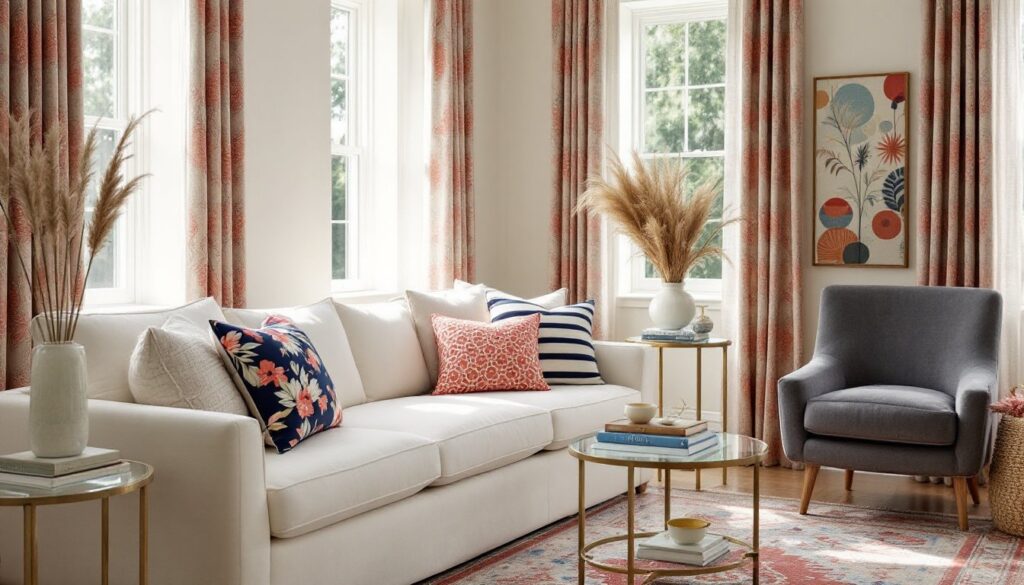
Coastal contemporary strips away the nautical kitsch, no anchor pillows or rope mirrors, and focuses on clean lines with beach-inspired materials. Think whitewashed oak floors, not distressed barnwood. Furniture sits low with simple profiles, often upholstered in performance fabrics like Crypton or Sunbrella that handle spills and humidity without special care.
Color palettes pull from the natural environment: sand, seafoam, driftwood gray, and crisp white. But the sophistication comes from layering textures rather than patterns. A linen sofa, jute rug, ceramic lamp base, and glass coffee table create visual interest without busy prints. Many projects highlighted by design showcases on Elle Decor feature this textural layering approach.
Lighting plays a major role. Recessed LED fixtures with dimmer controls provide ambient light without adding heat, crucial when AC costs spike in summer. Statement pendants in natural materials, rattan, rope-wrapped metal, or carved wood, add organic warmth without overwhelming the space. Install these on ceiling boxes rated for the weight: most decorative pendants need a fan-rated junction box to support more than 5 pounds safely.
Tropical Modern: Bringing the Outdoors In
Tropical modern embraces Fort Lauderdale’s lush landscape by blurring indoor-outdoor boundaries. Large-format sliding glass doors (8-foot or 10-foot panels) connect living spaces to patios and pool decks. These doors need to meet Florida Building Code impact resistance requirements, either laminated glass or an approved shutter system.
Plant life moves indoors with intentionality. Instead of scattered small pots, tropical modern uses architectural plants like bird of paradise, monstera, or fiddle leaf fig in oversized planters that make a statement. These need adequate drainage and saucers to protect floors, even tile can stain from mineral deposits in irrigation water.
Material choices favor natural elements: teak, bamboo, rattan, and stone. But installation methods must account for expansion and contraction. Solid teak flooring needs a 1/2-inch expansion gap around the perimeter, hidden by baseboards, because South Florida’s humidity swings cause wood movement even in climate-controlled spaces. Engineered wood with a teak veneer offers more stability if you’re DIYing the install.
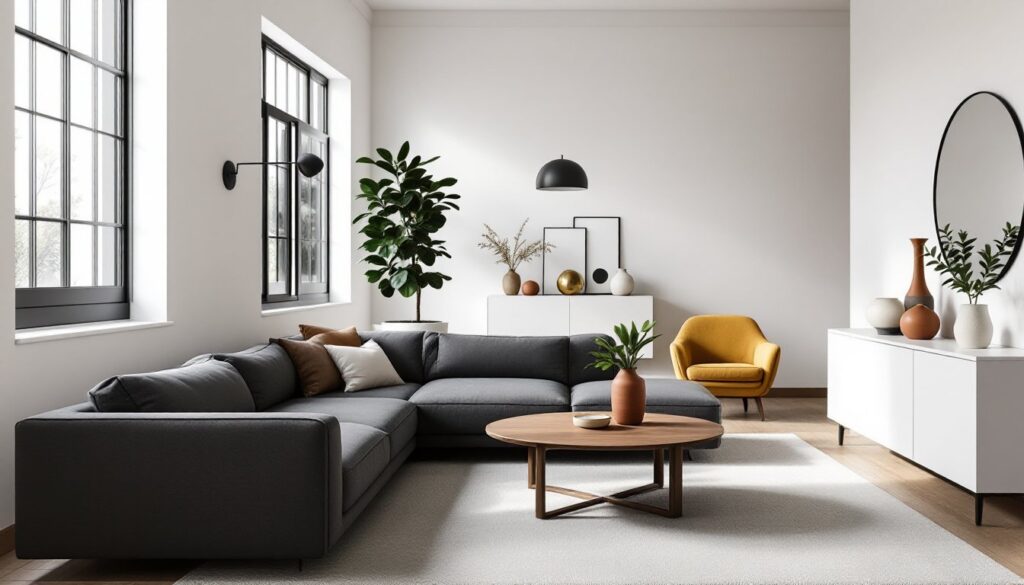
Furniture pieces mix mid-century modern silhouettes with tropical materials, a walnut credenza topped with woven baskets, or a leather Eames-style chair next to a live-edge coffee table. The goal is curated, not cluttered.
Essential Design Elements for Fort Lauderdale Homes
Flooring: Porcelain tile remains the most practical choice for Fort Lauderdale interiors. It doesn’t absorb moisture, resists scratches, and stays cool. Large-format tiles (24×24 or 12×24 planks) minimize grout lines and create a seamless look. If installing yourself, rent a wet tile saw and use a leveling system like T-lock clips to prevent lippage on large tiles. Always use a polymer-modified thinset rated for South Florida’s humidity.
For those wanting wood aesthetics, luxury vinyl plank (LVP) performs better than real hardwood in humid climates. Look for products with a wear layer of at least 20 mil and an attached cork underlayment for sound dampening in condos. Real hardwood can work in climate-controlled spaces away from exterior doors, but it requires professional acclimation (letting the wood sit in the space for 7-10 days before install) and year-round humidity control between 40-60%.
Window Treatments: Dual treatments work best, functional sun control plus decorative softness. Cellular shades or solar screens mount inside the window frame to block heat and UV, while linen panels on a decorative rod add visual warmth. Motorization makes sense for hard-to-reach windows or ones you’ll adjust daily: many systems now integrate with home automation platforms.
Paint and Finishes: High humidity demands paint with mildewcides and moisture resistance. Use satin or semi-gloss sheens in bathrooms and kitchens: they’re easier to clean and resist moisture better than flat paint. Sherwin-Williams Duration or Benjamin Moore Aura both include mildew-resistant formulas. One gallon typically covers 350-400 square feet with proper surface prep.
Ceiling fans aren’t optional, they’re essential for air circulation. Choose models with damp or wet ratings depending on the location. A damp-rated fan works for covered patios: wet-rated for exposed areas. Install fans on a dedicated circuit if adding more than two to a room, and always use a fan-rated box anchored to a ceiling joist, not just drywall.
DIY Interior Design Projects for Your Fort Lauderdale Home
Creating a Statement Wall with Shiplap or Board-and-Batten:
Shiplap brings texture without the maintenance of real wood planks. Use primed MDF shiplap (1×6 or 1×8 nominal, actually 5.5 or 7.25 inches wide) for interior applications. It’s dimensionally stable in humidity and takes paint beautifully.
- Locate studs with a stud finder and mark with painter’s tape
- Start at the ceiling, using a level to ensure the first board is straight
- Attach boards with a brad nailer (18-gauge, 2-inch brads) into studs, or use construction adhesive plus finish nails if studs are spaced irregularly
- Use nickel spacers between boards for consistent reveals
- Fill nail holes with lightweight spackle, sand with 150-grit paper, prime, and paint
Board-and-batten adds vertical dimension. Install 1×2 or 1×3 boards over painted drywall, spacing them 12-16 inches apart. Attach with finishing nails into studs where possible: use construction adhesive on drywall sections between studs.
Upgrading to Hurricane-Resistant Hardware:
Swapping interior door hardware to corrosion-resistant options is a weekend project that protects your investment. Choose stainless steel grade 316 or solid brass with a protective coating. Most interior doors use a 2-1/8-inch bore hole: measure before buying.
- Remove old hardware and check bore hole size
- Clean holes and surrounding area with denatured alcohol
- Install new locksets following manufacturer’s templates
- Adjust strike plates for smooth latching, sometimes you’ll need to deepen the mortise with a chisel
Installing Floating Shelves for Display:
Floating shelves add storage without visual weight, perfect for small spaces. For a strong installation that holds books or decor:
- Choose shelves with internal rod support systems, not just L-brackets
- Locate studs and mark positions for mounting rods
- Drill holes sized for rod diameter (usually 1/2 or 5/8 inch)
- Install rods into studs, using toggle bolts if a stud isn’t available at your desired location
- Slide shelf onto rods and level before tightening set screws
Each rod anchored into a stud can support about 40-50 pounds. If you need heavier capacity for hardcover books, install rods at every stud along the shelf length. Understanding interior design rendering tools can help visualize shelf placement before drilling.
How to Choose the Right Color Palette for South Florida Living
Fort Lauderdale’s intense sunlight changes how colors appear indoors. What looks like a soft gray in a northern climate can read as stark white in South Florida’s bright, diffused light. Always test paint samples on multiple walls and observe them throughout the day before committing to gallons.
Whites and Neutrals: Warm whites with beige or cream undertones prevent that sterile hospital look. Benjamin Moore White Dove or Sherwin-Williams Alabaster work well in South Florida light. Avoid pure whites or those with blue undertones unless you want a very cool, modern feel, they’ll emphasize the blue-gray quality of coastal light.
Blues and Greens: Ocean-inspired colors feel natural but need careful selection. Dusty blues and sage greens with gray undertones read as sophisticated: bright turquoise or lime can overwhelm a space. Use saturated colors as accents on a single wall or in smaller rooms like powder baths. Designers profiled on Homedit often recommend balancing one bold wall with three neutral surfaces.
Earth Tones: Terracotta, warm taupe, and sand tones ground spaces and play well with natural materials like jute and rattan. These colors also hide the inevitable Florida dust better than stark white. Use a satin finish for easier cleaning on walls that get touched frequently, hallways, stairwells, and kids’ rooms.
Testing Your Palette:
Buy sample pots (usually 8 oz) and paint 2×2-foot squares on different walls in the room. Live with them for at least three days, observing morning light, afternoon sun, and artificial lighting at night. Colors that face east will look different from those on western walls. This step costs $20-30 but prevents the expensive mistake of repainting an entire room.
Consider how colors flow between connected spaces. Open floor plans need a cohesive palette, not identical colors, but harmonious tones that transition naturally. Many Fort Lauderdale homes use a neutral base (white or light gray) with accent colors that shift subtly from room to room.
Climate-Specific Considerations:
Dark colors absorb heat and can make rooms feel warmer, even with AC. If you love deep navy or charcoal, reserve them for interior walls away from windows or rooms that get minimal sun exposure. On sun-drenched walls, dark paint can also cause drywall compounds to show through (called “ghosting”) as temperatures fluctuate.
High-gloss finishes reflect light beautifully but show every wall imperfection. Unless your drywall finish is perfectly smooth (level 5), stick with satin or eggshell sheens that forgive minor surface variations. Resources like Freshome offer extensive galleries showing how different colors perform in coastal climates. Those exploring broader design education will recognize these climate-color relationships as fundamental to regional design.