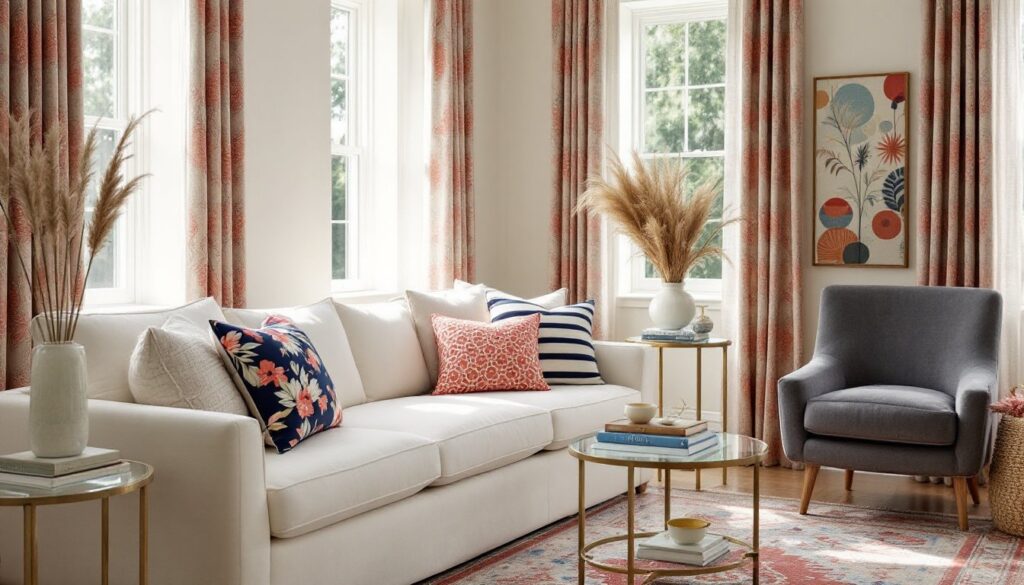
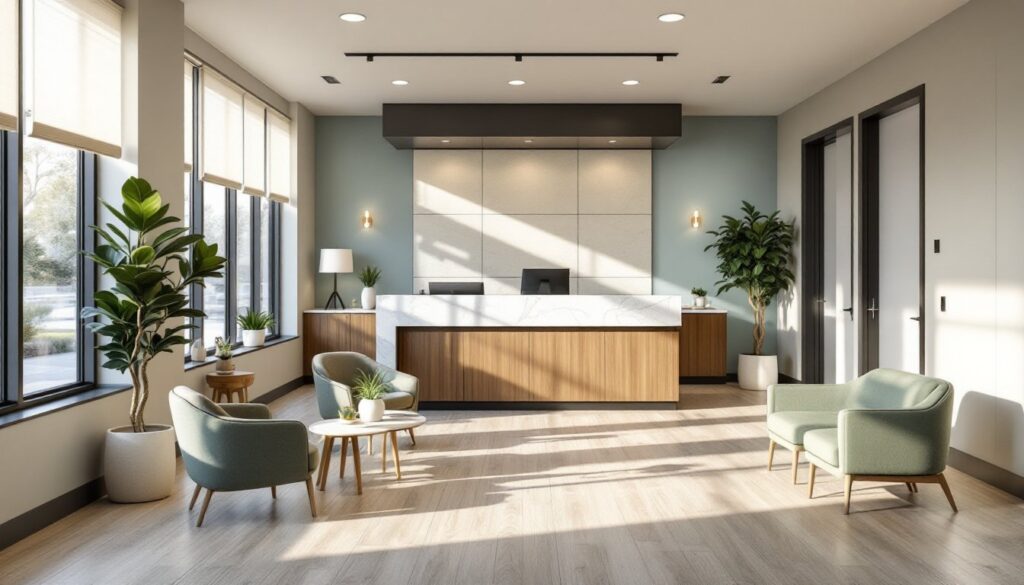
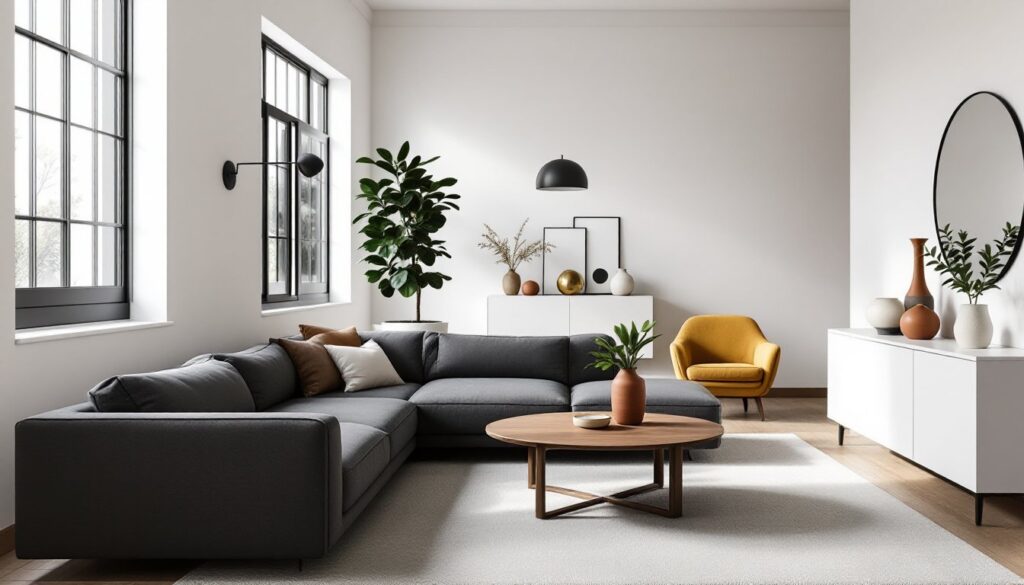
Luxury apartment <a href="https://hearthdreamliving.com/interior-design-proposal/”>interior design isn’t about square footage, it’s about execution. High-end finishes, thoughtful material choices, and strategic lighting can transform a 900-square-foot rental into a space that rivals any penthouse. The difference between generic and genuinely luxurious comes down to details: the quality of cabinet hardware, the weight of a curtain panel, the finish on a faucet. Whether working with a blank slate or refreshing existing features, apartment dwellers can achieve sophisticated interiors without structural overhauls, and often without a contractor.
Table of Contents
ToggleKey Takeaways
- Luxury apartment interior design is defined by material quality, craftsmanship, and restraint—choosing marble-look porcelain over vinyl, solid brass over chrome, and curated pieces over clutter.
- Strategic lighting with layered ambient, task, and accent elements transforms apartment spaces far more effectively than a single overhead fixture.
- Premium materials like engineered hardwood flooring (7-layer minimum), natural stone countertops at 3cm thickness, and plywood cabinet boxes signal luxury and durability.
- Sophisticated color palettes using warm neutrals, monochromatic schemes, and jewel-tone accents create depth that stark whites and builder-grade beige cannot achieve.
- In small apartments, dual-purpose furniture, vertical storage, large mirrors, and consistent flooring throughout maximize space while maintaining the elevated aesthetic of luxury design.
- Investment-grade pieces like quality sofas and solid wood tables justify their cost through longevity, while budget items can be updated to keep designs fresh without major expenses.
What Defines Luxury Apartment Interior Design?
Luxury in apartment design centers on material quality, craftsmanship, and cohesion. It’s not about price tags, it’s about choosing marble-look porcelain tile over vinyl plank, investing in solid brass fixtures instead of chrome-plated zinc, and selecting furniture with hardwood frames rather than particleboard.
Authentic luxury also means restraint. A curated collection of high-quality pieces beats a cluttered space stuffed with mediocre items. Each element should serve a purpose, whether functional or aesthetic. Crown molding, for instance, adds architectural interest if installed correctly (coped joints at inside corners, not just mitered). Wall paneling, real wood or high-grade MDF primed and painted, creates depth that flat drywall can’t match.
Consistency matters. Mixing metals works, but it requires intention: warm brass in the kitchen, matte black in the bath, and brushed nickel in the entry creates visual chaos. Stick to two finishes max throughout the space.
Building codes don’t typically govern cosmetic upgrades, but renters should confirm lease terms before making permanent changes. Installing wainscoting or swapping light fixtures often requires landlord approval. Homeowners face fewer restrictions but should still pull permits for electrical work beyond fixture swaps, anything involving new circuits or junction boxes falls under NEC requirements.
Essential Elements of High-End Apartment Interiors
Premium Materials and Finishes
Material selection separates luxury from standard. Natural stone, marble, quartzite, granite, outlasts and outperforms composite alternatives. For countertops, expect 3 cm thick slabs: 2 cm reads builder-grade. Honed or leathered finishes hide wear better than polished in high-traffic kitchens.
For flooring, engineered hardwood (7-layer construction minimum) handles apartment-living moisture fluctuations better than solid wood. Opt for 5-inch or wider planks with a wear layer of at least 2mm for refinishing potential. Hand-scraped or wire-brushed textures add depth and conceal minor scratches. Luxury vinyl plank (LVP) works for rentals, but choose 20-mil wear layers and rigid core construction, anything thinner telegraphs subfloor imperfections.
Cabinet upgrades deliver outsized impact. Full-overlay, soft-close hinges and dovetail drawer construction signal quality. Skip particleboard: plywood boxes hold hardware better and resist moisture. For DIY cabinet refacing, applying Shaker-style trim to flat doors using 1/2-inch MDF, wood glue, and a brad nailer creates instant sophistication for under $15 per door.
Wall treatments range from simple to complex. Venetian plaster requires professional application but offers unmatched texture. High-end interior design rendering software can help visualize material combinations before committing. DIYers can tackle board-and-batten with 1×4 primed pine, a level, and a finish nailer, just account for 16-inch on-center stud spacing when planning vertical placement.
Statement Lighting and Fixtures
Lighting defines luxury as much as any material choice. Layered lighting, ambient, task, and accent, creates depth. A single overhead fixture reads flat: combining recessed cans (or slim LED panels), under-cabinet strips, and adjustable picture lights adds dimension.
Chandeliers and pendants serve as functional sculpture. For dining areas, hang fixtures 30-34 inches above the table surface: in entryways with 8-foot ceilings, bottom of the fixture should clear 7 feet minimum to avoid head strikes. LED filament bulbs (2700K) mimic incandescent warmth without the heat or energy waste.
Dimmer switches (install TRIAC or ELV types for LED compatibility) allow mood adjustment. Wiring dimmers requires turning off the circuit breaker, confirming with a non-contact voltage tester, and matching switch type to bulb technology, don’t guess. When in doubt, hire a licensed electrician. Many luxurious bedroom schemes incorporate multiple zones on separate dimmers.
Plumbing fixtures telegraph quality instantly. Solid brass construction with ceramic disc valves outlasts zinc alloy alternatives. Brushed or matte finishes hide water spots better than chrome. Wall-mounted faucets require in-wall plumbing adjustments, not a DIY project unless you’re comfortable soldering copper or working with PEX and a crimper.
Color Palettes That Exude Sophistication
Sophisticated palettes favor neutrals with depth: warm grays (greige), taupes, soft whites with cream undertones, and deep charcoals. Avoid stark white (contractor-grade flat paint) and builder-beige, both lack dimension.
Sample colors in the actual space before committing. Paint 2×2-foot test squares on different walls and observe them at various times of day. North-facing rooms skew cooler: south-facing spaces handle warm tones better. The same color looks entirely different under LED versus natural light.
For accent walls, deep jewel tones, emerald, sapphire, burgundy, add richness without overwhelming. Use these on a single feature wall or in smaller spaces like powder rooms. Glossy or satin finishes on trim and doors contrast beautifully with matte or eggshell walls, creating subtle architectural definition.
Monochromatic schemes (varying shades of one color) feel inherently luxurious, as seen in many high-end Architectural Digest features. They require texture variation to avoid flatness: velvet upholstery, linen drapes, wool rugs, lacquered surfaces.
Paint quality matters. Premium paints (Benjamin Moore Aura, Sherwin-Williams Duration) have higher pigment loads and better hide, often covering in one coat versus two or three for economy brands. Coverage runs about 350-400 square feet per gallon for quality paints on primed surfaces. Always prime new drywall, raw wood, or dramatic color changes with a tintable primer matched to your topcoat.
Furniture Selection for Luxury Living Spaces
Luxury furniture prioritizes construction and proportion over trends. Look for kiln-dried hardwood frames (maple, oak, beech), softwoods and engineered lumber sag under use. Eight-way hand-tied springs in upholstery outlast sinuous (S-spring) systems. Down-blend cushions feel plush: high-density foam (1.8-2.5 lbs/cubic foot minimum) holds shape longer.
Scale matters enormously in apartments. A 90-inch sofa overwhelms a 12×14 living room: a 72-inch loveseat or sectional fits better. Measure doorways, hallways, and elevator dimensions before ordering, returns on oversized furniture are costly. As a rule, leave 30-36 inches of walking space around furniture pieces.
Low-profile furniture (legs under 6 inches, platform beds, armless chairs) creates visual spaciousness. Glass or acrylic surfaces disappear visually while providing function. Avoid heavy, ornate pieces unless ceiling height supports them, 9-foot ceilings can handle a tufted wingback: 8-foot ceilings call for streamlined profiles.
Custom millwork, built-in shelving, window seats, banquettes, maximizes awkward spaces. DIYers can build basic shelving with 3/4-inch plywood, edge-banding, and shelf pins, though getting a truly built-in look requires scribing to walls and using face frames. For anything load-bearing or attached to studs with French cleats, confirm wall construction first, mounting heavy shelving to drywall alone invites disaster.
Investment pieces, a quality sofa, a solid wood dining table, a well-made bed frame, justify their cost through longevity. Budget items (side tables, task lighting, decorative objects) can be swapped as tastes evolve. Mixing high and low creates layered interest without financial strain.
Creating Functional Luxury in Small Apartments
Small spaces demand dual-purpose solutions. Ottoman coffee tables with storage, Murphy beds with integrated desks, and console tables doubling as dining surfaces maximize limited square footage. Look for furniture with exposed legs, skirted pieces visually shrink a room.
Vertical storage reclaims floor space. Floor-to-ceiling shelving, tall cabinets, and wall-mounted systems draw the eye up and create the illusion of height. Install shelving with standards and brackets for adjustability, securing at least every other bracket into wall studs (locate with a stud finder, not by knocking). Use hollow-wall anchors rated for the expected load on drywall-only sections.
Mirrors amplify light and space. A large-scale mirror (3×5 feet or bigger) opposite a window bounces natural light throughout the room. Installing heavy mirrors requires D-rings and picture wire rated for double the mirror’s weight, plus two studs or heavy-duty toggle bolts.
Consistent flooring throughout creates flow. Avoid transitioning between materials except at logical thresholds (entry to main space, main space to bath). If installing new flooring, ensure 1/4-inch clearance at walls for expansion, cover gaps with baseboards or quarter-round.
Conceal clutter strategically. Closed storage (cabinets, credenzas) hides everyday items: open shelving displays curated collections. Electrical cord management, using cable raceways, in-wall kits, or furniture with integrated wire channels, eliminates visual noise.
Lighting tricks expand perceived space. Recessed lighting (4-inch aperture) provides ambient light without dropping the ceiling visually. Cove lighting (LED strip in crown molding or behind floating shelves) washes walls with indirect light. Under-cabinet lighting eliminates shadows and adds perceived square footage to kitchens.
Transparent and reflective materials, glass tables, lucite chairs, metallic accents, prevent visual clutter. Textural variety maintains interest: a nubby wool throw, smooth leather cushions, a jute rug. Professional designers featured on Home Bunch often layer three to five textures per room for richness without excess.
Color continuity helps small spaces feel larger. Painting walls, trim, and ceiling the same shade (or very close values) blurs boundaries. Save contrast for accents and furnishings. Many successful small-space designs incorporate cohesive interior design tips that prioritize visual flow.
Safety note: When installing anything overhead (light fixtures, shelving, curtain rods supporting heavy drapes), always wear safety glasses and use a stable ladder or work platform. Never stand on furniture. Turn off power at the breaker before any electrical work, and verify with a tester, even “dead” circuits can surprise you.