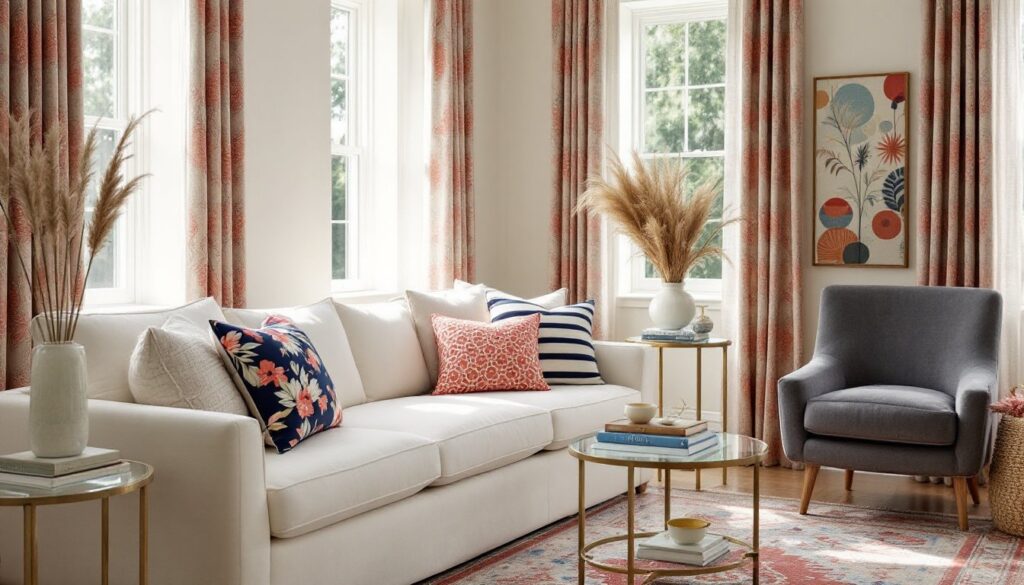
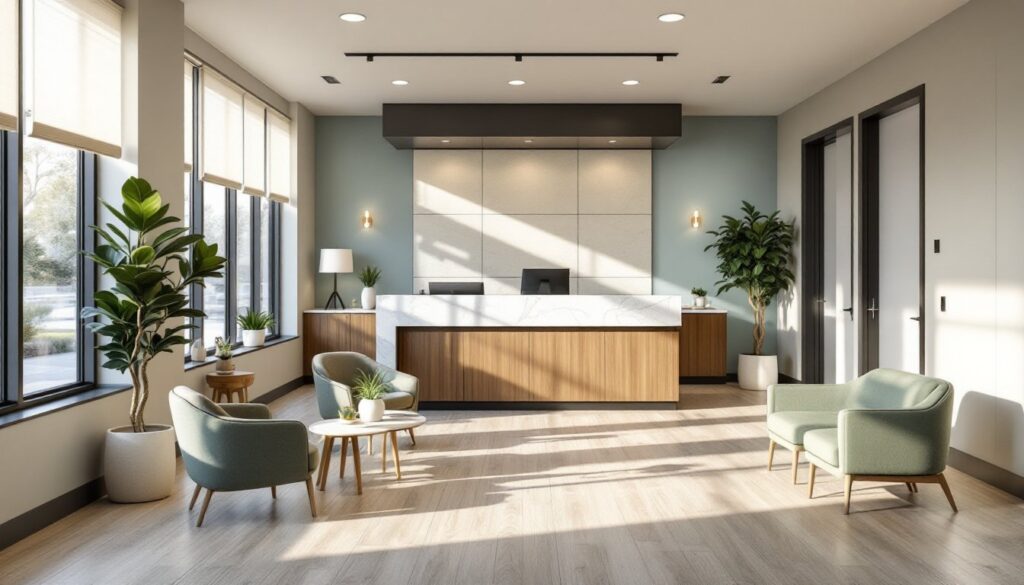
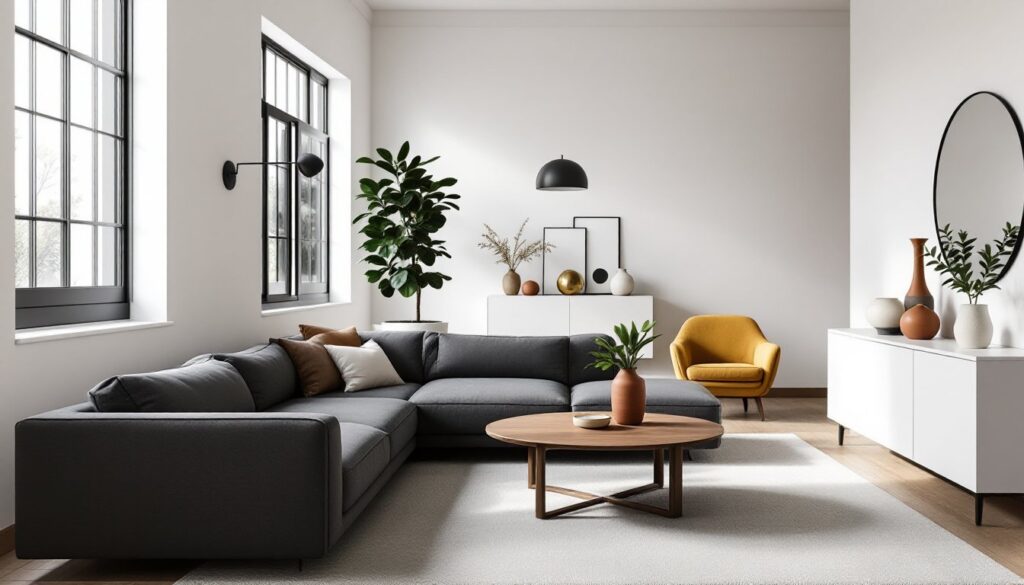
If you’ve ever flipped through a design magazine and stopped cold at a room that somehow felt both grand and livable, you’ve probably encountered Marc Michaels’ work. His interiors don’t just look expensive, they feel deeply thought-out, layered with texture, color, and a kind of moody sophistication that most DIYers assume is out of reach. But here’s the thing: understanding the principles behind his style can absolutely inform your own projects, whether you’re refinishing a dining table or overhauling a living room. This isn’t about copying a celebrity designer’s portfolio. It’s about learning what makes high-end design work, then translating those moves into practical, doable upgrades for your home.
Table of Contents
ToggleKey Takeaways
- Marc Michaels interior design principles center on balancing luxury with livability by layering rich color, texture, and architectural detail without sacrificing comfort or function.
- You can apply Marc Michaels’ signature style to DIY projects by mixing classic architectural elements like molding and baseboards with modern furnishings and lighting to create curated, high-end spaces.
- Commit to bold paint colors on all four walls and layer varied textures through materials like velvet, linen, grasscloth, and wood to achieve the moody sophistication characteristic of Michaels’ work.
- Strategic architectural upgrades—upgraded baseboards, crown molding, solid-core doors, and layered lighting—create the foundation for polished interiors that feel intentional rather than cookie-cutter.
- High-end finishes depend on meticulous prep work including proper sanding, priming, caulking, and surface leveling to ensure professional results in DIY projects.
- Scale and proportion matter: use large-scale art, bold rugs, and substantial furniture pieces to create impact in smaller rooms, and test dramatic color or wallpaper choices in low-stakes spaces first.
Who Is Marc Michaels and What Defines His Design Philosophy?
Marc Michaels is a Florida-based interior designer known for crafting spaces that balance dramatic elegance with real-world comfort. Unlike designers who lean heavily on minimalism or trend-chasing, Michaels builds rooms around richness, deep color, layered textures, architectural detail, and a strong sense of narrative. His portfolio of moody, sophisticated interiors showcases how he uses bold choices without veering into excess.
His philosophy centers on what he calls “livable luxury.” That means avoiding sterile showrooms and instead creating environments that invite you in. Comfort isn’t sacrificed for style. Function doesn’t get buried under form. He’s known for mixing antique pieces with contemporary furniture, pairing ornate millwork with clean lines, and using color in ways that feel intentional rather than safe.
For DIYers, the takeaway is simple: good design isn’t about following a formula. It’s about understanding proportion, contrast, and how elements interact in a room. Michaels doesn’t design around a single “look”, he designs around how people live. That’s a mindset anyone can adopt, whether they’re installing crown molding or choosing paint.
Signature Design Elements You Can Bring Into Your Own Home
Marc Michaels’ interiors share certain hallmarks that translate surprisingly well to DIY projects. You don’t need a six-figure budget to borrow his approach, you need to understand what he’s doing and why it works.
Balancing Classic Elegance With Modern Functionality
Michaels doesn’t treat “classic” and “modern” as opposing forces. Instead, he layers them. A room might feature traditional wainscoting or coffered ceilings, but the furniture is streamlined and the lighting fixture is sculptural and contemporary. This balance keeps spaces from feeling dated or cold.
For a DIY application, consider adding architectural detail where it’s missing. Installing picture frame molding (also called panel molding) on a flat wall creates depth and formality without major demolition. You’ll need a miter saw for clean 45-degree cuts, wood glue, a brad nailer, and 1×4 or 1×3 pine boards (actual dimensions: 3/4″ × 3.5″ or 3/4″ × 2.5″). Lay out the grid on the wall with painter’s tape first to ensure balanced proportions, rectangles should be roughly 1.5:1 or 2:1 in ratio. Prime and paint the molding the same color as the wall for a subtle, high-end look, or use a contrasting shade for more drama.
Pair that traditional detail with modern elements: a floating walnut shelf, matte black cabinet hardware, or a geometric pendant light. The contrast is what makes the room feel curated, not cookie-cutter. Many design enthusiasts explore this balance through resources on interior design fundamentals, which can help clarify proportions and material choices.
Color Palettes and Textures That Create Luxurious Spaces
Michaels isn’t afraid of dark walls, jewel tones, or saturated hues. He uses color to create mood and intimacy, often anchoring a room with a bold backdrop, navy, charcoal, deep emerald, or chocolate brown. Then he layers in contrast through lighter furnishings, metallics, and varied textures.
If you’re planning a paint project, commit to the color. A single accent wall rarely achieves the cohesive effect Michaels is known for. Paint all four walls, including trim and ceiling, in a rich hue. Use a premium paint with built-in primer (coverage: roughly 350–400 sq ft per gallon) to avoid multiple coats on darker shades. Benjamin Moore Aura or Sherwin-Williams Emerald both offer excellent hide and depth in saturated colors.
Texture is just as critical. Michaels mixes materials, velvet upholstery, linen drapery, polished marble, oiled bronze, reclaimed wood. For DIYers, this means thinking beyond paint. Add texture through:
- Grasscloth or linen wallpaper on a single focal wall (requires wallpaper paste, smoothing tool, utility knife, and patience)
- Wood plank accent walls using 1×6 tongue-and-groove pine or shiplap (actual: 3/4″ × 5.5″), installed horizontally or vertically with a level and finish nailer
- Textured paint techniques like limewash or Venetian plaster (applied with a trowel, requires practice on scrap drywall first)
When selecting finishes, avoid matching everything. A room with all matte or all gloss feels flat. Mix satin-finish walls with semi-gloss trim, matte tile with polished metal, rough linen with smooth leather. That variety is what reads as luxury.
How to Apply Marc Michaels’ Design Principles to Your DIY Projects
Translating high-end design into DIY work requires strategic thinking. You’re not trying to replicate a designer showroom, you’re applying the same principles of contrast, proportion, and intentionality to projects you can actually complete.
Start with architectural upgrades that add permanence. Michaels’ rooms often feature substantial millwork: baseboards that are 5–7 inches tall, door casings with multiple profiles, built-in cabinetry with inset panels. You can approximate this:
- Replace builder-grade 3-inch baseboards with 5.5-inch or 7.25-inch MDF or pine baseboards. Requires a miter saw, coping saw (for inside corners), caulk, wood filler, and paint. Measure carefully, baseboards are sold in 8-foot, 12-foot, and 16-foot lengths: minimize seams by planning cuts.
- Upgrade hollow-core doors to solid-core or five-panel doors. Standard interior doors are 1-3/8″ thick, 80″ tall, and widths vary (24″, 28″, 30″, 32″, 36″). Swapping a door is straightforward if the jamb is square, but shimming and planing may be needed. Use a pre-hung door to simplify installation.
- Add crown molding where ceilings meet walls. Use a compound miter saw for accurate bevel and miter cuts (crown typically sits at a 38-degree spring angle). 3.5-inch or 4.5-inch crown works in most 8-foot ceiling homes: go larger (5.25″ or more) if ceilings are 9+ feet.
Be deliberate with lighting. Michaels layers ambient, task, and accent lighting. A single overhead fixture won’t cut it. Add:
- Dimmable recessed LED cans (4-inch or 6-inch) for general illumination
- Sconces or picture lights for accent (hardwired installation requires shutting off power at breaker, running 14/2 or 12/2 Romex, and possibly a permit, check local codes)
- Table and floor lamps for task lighting and to create pools of light at different heights
Install dimmer switches (standard single-pole or three-way, depending on circuit) to control mood. Use Lutron Diva or Leviton dimmers compatible with LED bulbs to avoid flicker.
Invest in hardware and fixtures that feel substantial. Michaels doesn’t use flimsy builder-grade pulls. Cabinet hardware should have weight, solid brass, bronze, or stainless. Door hinges should be ball-bearing, oil-rubbed bronze or satin nickel. Faucets should be metal, not plastic internals. These aren’t strictly DIY tasks, but swapping hardware is: remove old screws, fill oversized holes with wood filler if needed, drill new pilot holes, install.
Don’t skip prep work. High-end finishes depend on flawless surfaces. Before painting:
- Fill nail holes and cracks with lightweight spackle
- Sand with 120-grit then 220-grit sandpaper
- Prime with a stain-blocking primer if covering dark paint or raw wood
- Caulk seams between trim and wall with paintable acrylic latex caulk
Before installing tile or hardwood:
- Ensure subfloor is flat within 1/8″ over 10 feet (use a long level or straightedge)
- Patch low spots with self-leveling underlayment
- Let materials acclimate to room temperature and humidity for 48–72 hours
Michaels’ rooms look polished because the details are clean. Rushed prep shows.
Use scale and proportion intentionally. Oversized art, large-scale patterns, and substantial furniture create impact. A 12×12 room shouldn’t have eight tiny accessories, one large piece of art (48″×60″ or larger) and a bold rug anchor the space better. When hanging art, center it at 57–60 inches from the floor to the center of the piece (gallery standard). Use a stud finder and appropriate wall anchors (toggle bolts for drywall, screws into studs for heavy frames).
Finally, embrace a little risk. Michaels’ work stands out because he’s willing to commit to bold choices. If you’re considering a dark paint color or a dramatic wallpaper, test it in a small, contained space first, a powder room, a closet, an accent wall in a bedroom. These low-stakes experiments build confidence and often yield the most striking results.
For more hands-on guidance on executing design upgrades, homeowners frequently consult resources like detailed interior design proposals to plan material lists, budgets, and timelines. Publications such as MyDomaine and Homedit also offer room-specific tutorials and product recommendations tailored to DIY skill levels.
Conclusion
Marc Michaels’ interiors prove that luxury isn’t about price tags, it’s about intention, contrast, and craftsmanship. DIYers can borrow his playbook by focusing on architectural detail, bold color, layered texture, and quality finishes. Tackle one room at a time, don’t skip prep, and remember: the best design choices are the ones that make your home feel more like you.