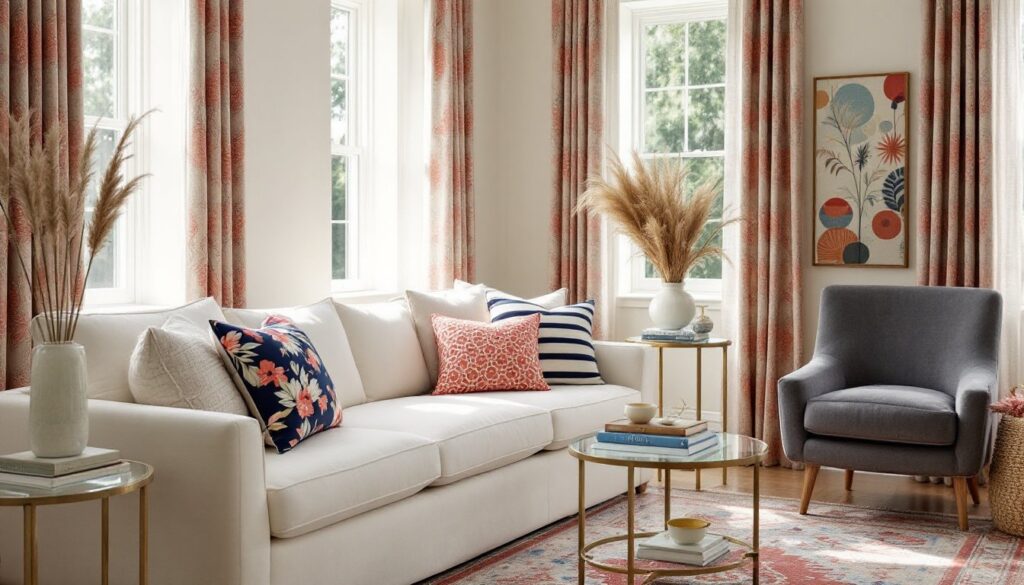
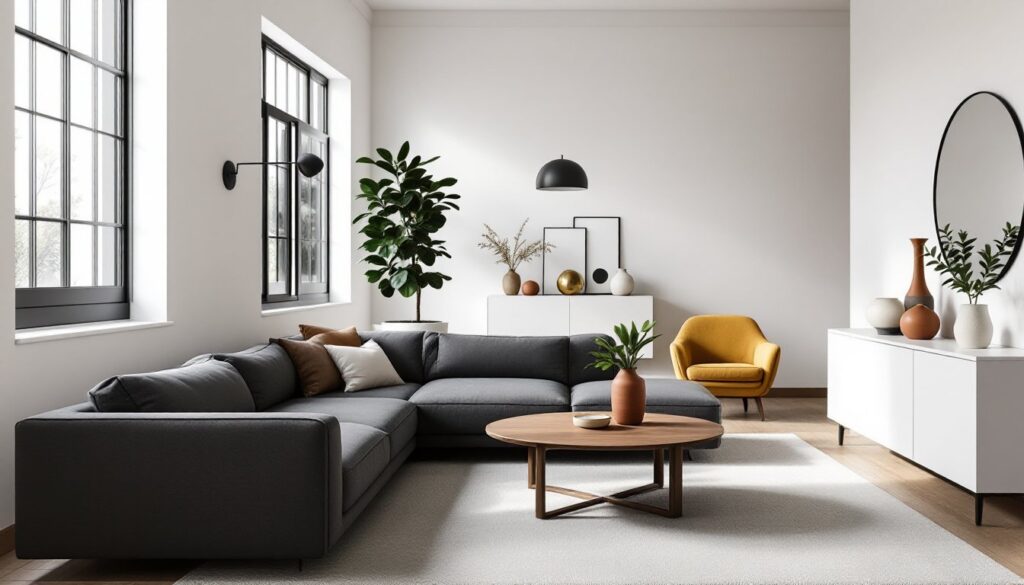
Parisian modern interior design merges the romantic soul of classic French architecture with the clean lines and functionality of contemporary living. It’s not about choosing between a Louis XVI chair and a minimalist sofa, it’s about putting them in the same room and making it work. This style has gained traction among homeowners who want spaces that feel curated, not staged, where heirloom pieces coexist with sleek modern fixtures. Unlike trendy decor that dates itself in five years, Parisian modern creates rooms with staying power, blending ornate moldings with neutral palettes, antique mirrors with geometric lighting, and marble surfaces with industrial metal accents.
Table of Contents
ToggleKey Takeaways
- Parisian modern interior design blends classic architectural elements with contemporary functionality, creating timeless spaces that feel curated rather than trendy by mixing antique pieces with sleek modern fixtures.
- A neutral color palette of cream, taupe, charcoal, and soft gray forms the foundation, allowing furniture shapes and architectural details to provide visual interest while black accents ground the softness.
- Smart furniture selection balances at least one statement antique or vintage-inspired piece with modern elements in each room, avoiding matching sets to achieve an authentic collected-over-time aesthetic.
- Architectural upgrades like adding picture frame molding, upgrading baseboards to 5.5–7 inches, and installing quality lighting fixtures deliver the highest return on investment for Parisian modern living spaces.
- Strategic layering with neutral linens, hand-knotted rugs, and minimal accessories creates calm, sophisticated rooms where every piece earns its place through intention and restraint.
- Achieving this style on a budget requires prioritizing quality over quantity—thrifting solid wood furniture, DIY trim projects, and thoughtful hardware swaps beat impulsive purchases at premium price points.
What Makes Parisian Modern Interior Design Unique?
Parisian modern stands apart from other design styles because it refuses to commit fully to either camp. Classic Parisian apartments come with architectural bones, herringbone oak floors, ceiling medallions, and floor-to-ceiling windows, that most modern design would strip away. Instead, this approach celebrates those details while editing out the fussiness.
The style operates on contrast. A room might feature original plaster moldings painted in soft white alongside a streamlined sectional in charcoal linen. Lighting often mixes eras: a vintage crystal chandelier over a marble-topped dining table surrounded by molded plastic chairs. The effect feels collected over time rather than ordered from a single showroom.
Another defining trait is restraint with color. Where traditional French interiors lean into jewel tones and pattern-on-pattern layering, Parisian modern keeps the palette neutral, cream, taupe, charcoal, and soft gray, allowing architectural details and furniture shapes to provide visual interest. Pops of black through wrought iron railings, window frames, or light fixtures ground the softness.
This isn’t a style you can replicate with a shopping list. It requires editing. Every piece needs to earn its place, whether it’s a gilded mirror or a concrete side table. The goal is a space that looks effortless, even though achieving that effect takes careful planning.
Key Elements of Parisian Modern Style
Choosing the Perfect Color Palette
The backbone of Parisian modern is a neutral foundation with warm undertones. Start with walls in off-white or greige (a gray-beige hybrid). Benjamin Moore’s “Classic Gray” or Sherwin-Williams’ “Accessible Beige” work well. Avoid stark white, it reads too clinical against antique wood tones.
For trim and moldings, use the same color as the walls or go one shade lighter. This creates a subtle, sophisticated look rather than the high-contrast white trim common in American homes. If the space has original plaster crown molding or wainscoting, a fresh coat of semi-gloss paint in a soft white will make details pop without shouting.
Floors should lean warm. If installing new flooring, engineered white oak in a matte or low-sheen finish mimics the classic Parisian herringbone or chevron patterns. For a budget-friendly alternative, luxury vinyl plank in wide planks (7-9 inches) with a wire-brushed texture can pass inspection when installed properly.
Accent colors come through textiles and art, not walls. Think charcoal throws, rust-colored linen pillows, or a navy velvet armchair. Black acts as a grounding neutral, use it for metal light fixtures, picture frames, and hardware.
Furniture Selection: Mixing Classic and Contemporary
The furniture mix is where Parisian modern gets interesting. The ratio doesn’t need to be 50/50, but each room should include at least one statement antique or vintage-inspired piece balanced by modern elements.
For seating, a tufted linen sofa with clean lines works better than overstuffed traditional styles. Pair it with a vintage bergère chair reupholstered in a neutral fabric. Avoid matching furniture sets, they kill the collected-over-time vibe.
Case goods (dressers, sideboards, consoles) are prime opportunities for antique or vintage finds. A weathered French oak dresser brings warmth and history. If buying new, look for pieces with simple silhouettes in natural materials, solid wood, cane, or rattan. Skip anything with heavy distressing or faux-antique finishes: they read costume-y.
Coffee tables and side tables offer room to play with materials. A marble-topped table with a minimal metal base bridges old and new. Glass, concrete, and polished brass all fit the palette. Just ensure proportions suit the room, oversized furniture overwhelms Parisian-scale spaces.
Legs matter. Furniture with exposed legs (tapered wood, metal hairpin, or turned antique styles) keeps sightlines open and rooms feeling airy. Skirted sofas and heavy upholstered pieces add visual weight that fights the modern side of the equation.
How to Create a Parisian Modern Living Room
Start with the room’s architectural elements. If you have baseboards under 5 inches or flat-profile trim, consider upgrading. Standard modern construction uses 3.5-inch baseboards: Parisian-inspired spaces benefit from 5.5 to 7-inch baseboards with a stepped profile. Installation is straightforward for anyone comfortable with a miter saw and nail gun. Caulk seams with paintable acrylic caulk and finish with semi-gloss paint.
For walls lacking character, applied molding creates instant architecture. A simple picture frame molding grid costs roughly $150–250 in materials for a 12×15-foot room (using 3.5-inch MDF or poplar, cut and mitered on-site). Attach with construction adhesive and 18-gauge brad nails, then caulk and paint. This DIY takes a weekend but makes a rental or builder-grade room feel custom.
Lighting sets the tone. Swap builder-grade ceiling fixtures for something with presence, a semi-flush mount in brass or matte black, or a small chandelier with clean lines. Vintage-style Edison bulbs in clear glass fixtures feel too industrial here: opt for LED bulbs with a 2700K warm white temperature and a frosted or milky finish for softer light.
Layer in table lamps and floor lamps with fabric or linen shades. Ceramic, turned wood, or simple metal bases work. Avoid anything too ornate or overly modern. Lighting often involves rhythm in design choices to create visual flow across the space.
Window treatments should be simple but substantial. Floor-length linen drapes in ivory or oatmeal, hung from simple black or brass rods mounted just below the ceiling, make windows look taller. Skip valances, swags, or fussy tiebacks. If privacy isn’t critical, leave windows bare to maximize natural light, a hallmark of Parisian apartments.
Accessorize with intention. A large leaning mirror with a gilded or simple wood frame reflects light and adds verticality. Stack art books on the coffee table. Use sculptural objects sparingly, a ceramic vase, a small bronze figure, a bowl of natural objects. Overcrowding shelves or surfaces disrupts the calm.
Rugs should anchor the seating area without overpowering it. A hand-knotted wool rug in muted tones or a vintage-look Persian in faded colors adds texture. Size matters: in a living room, the rug should extend at least 6–12 inches beyond the front legs of sofas and chairs. An 8×10-foot rug suits most standard living rooms: go up to 9×12 for larger spaces.
Bringing Parisian Modern Design to Your Bedroom
Bedrooms in this style prioritize simplicity and quality over quantity. The bed is the focal point, invest here. An upholstered headboard in linen or velvet, floor-to-ceiling height, creates a luxe look without antique-hunting. If going vintage, a carved wood headboard in oak or walnut works, provided it’s not too dark or heavy.
Bedding should be layered but not fussy. Start with high-thread-count cotton sheets in white or ivory. Add a linen duvet cover in a neutral tone, oatmeal, pale gray, or warm white. Finish with a quilted coverlet or lightweight wool blanket folded at the foot. European linen pillows (26×26 inches) layered behind standard pillows add a hotel-quality look. Total bedding investment for quality materials runs $300–600, but it makes a noticeable difference.
Nightstands don’t need to match. Pair a modern white lacquer side table with a vintage wood nightstand, or use two different vintage pieces. Height should allow easy reach from the bed, typically 24–28 inches tall. Table lamps with simple bases and neutral shades keep bedside lighting functional and understated.
Closets and storage stay hidden. Built-in wardrobes are ideal, but if working with a standard closet, upgrade bifold doors to solid-panel doors or install curtains on a ceiling-mounted track for a softer look. Open clothing racks work only if meticulously curated: otherwise, they add visual clutter.
Wall color can go slightly darker here than in living spaces. A soft putty gray or warm taupe creates a cocoon effect. If the room gets good natural light, deeper tones like charcoal or dusty blue work, especially on a single accent wall behind the bed. Use low-VOC or zero-VOC paint for bedrooms to minimize off-gassing, brands like Benjamin Moore Natura or Sherwin-Williams Harmony meet stringent air quality standards.
Flooring beneath the bed needs a rug. A wool or wool-blend rug in at least 8×10 feet (for a queen bed) or 9×12 feet (for a king) extends beyond the bed on three sides. Natural fiber rugs like jute or sisal add texture but can feel rough underfoot: layer a softer hide or sheepskin on top if going that route.
Keep accessories minimal. A single piece of art above the bed, a small plant on a nightstand, or a stack of books is enough. Avoid gallery walls, excessive pillows, or cutesy decor, it softens the modern edge too much.
DIY Tips for Achieving the Parisian Modern Look on a Budget
Achieving this style doesn’t require a six-figure renovation, but it does require smart choices. Here’s where to spend and where to save.
Paint and trim upgrades deliver the highest ROI. As mentioned, adding picture frame molding or upgrading baseboards costs a few hundred dollars in materials. Both projects are DIY-friendly for anyone with basic carpentry skills. You’ll need a miter saw ($150–300 for a decent 10-inch compound miter saw), a nail gun (18-gauge brad nailer, $80–150), wood glue, caulk, and paint. These tools pay for themselves across multiple projects.
Furniture thrifting is critical. Estate sales, Craigslist, Facebook Marketplace, and vintage shops yield solid wood dressers, chairs, and tables at a fraction of new prices. A $50 estate sale dresser sanded and refinished (sandpaper, stain or paint, polyurethane: ~$40) beats a $400 particle-board piece every time. Look for good bones, solid wood, dovetail joints, intact hardware. Surface damage is fixable: structural issues aren’t.
Reupholstering a vintage chair sounds intimidating but is manageable. A simple armless slipper chair or bergère requires 2–3 yards of fabric ($40–120 depending on fabric choice), a staple gun, scissors, and patience. Online tutorials walk through the process. For pieces with complex shapes or springs, hire an upholsterer, costs run $300–800 per chair, but you’ll have a custom piece.
Lighting swaps are instant upgrades. A $60–150 semi-flush mount or pendant from retailers that offer modern design options transforms a room faster than new furniture. Install yourself if comfortable working with electrical (turn off power at the breaker, follow manufacturer instructions). If not, hire an electrician, most will swap a fixture for $75–150.
DIY art fills walls affordably. Large-scale abstract prints downloaded and printed at an office supply store (24×36-inch for ~$15–30) then framed in simple black or natural wood frames ($30–60) look custom. Or frame vintage botanical prints, pages from old books, or black-and-white photography. Gallery-quality matting and framing elevate inexpensive art.
Hardware updates on existing furniture and cabinets create cohesion. Swapping plastic or brass-tone knobs for matte black or brushed brass pulls costs $3–8 per pull. A dresser with six pulls runs $18–48. Choose simple, understated designs, no ornate backplates or oversized statement hardware.
Slipcovers extend the life of dated upholstery. A linen or cotton slipcover in ivory or gray for a sofa costs $150–400 (less if you sew your own). It won’t look as tailored as reupholstery, but it’s a fraction of the cost and washable.
Prioritize quality over quantity. One solid wood vintage dresser beats three particleboard pieces. One large hand-knotted rug anchors a room better than several small synthetic ones. As with most interior design tips, thoughtful restraint beats impulsive purchases. This approach aligns with the French philosophy of buying less but buying better, a mindset that serves both budgets and aesthetics.
Finally, take your time. Parisian modern isn’t a one-weekend project. Rooms evolve as you find the right pieces, DIY architectural details, and edit what doesn’t work. The layered, collected feel comes from patience, not a credit card binge. Referencing examples from designers featured in publications like Elle Decor can provide inspiration for mixing high and low elements effectively.